My brother the car whisperer

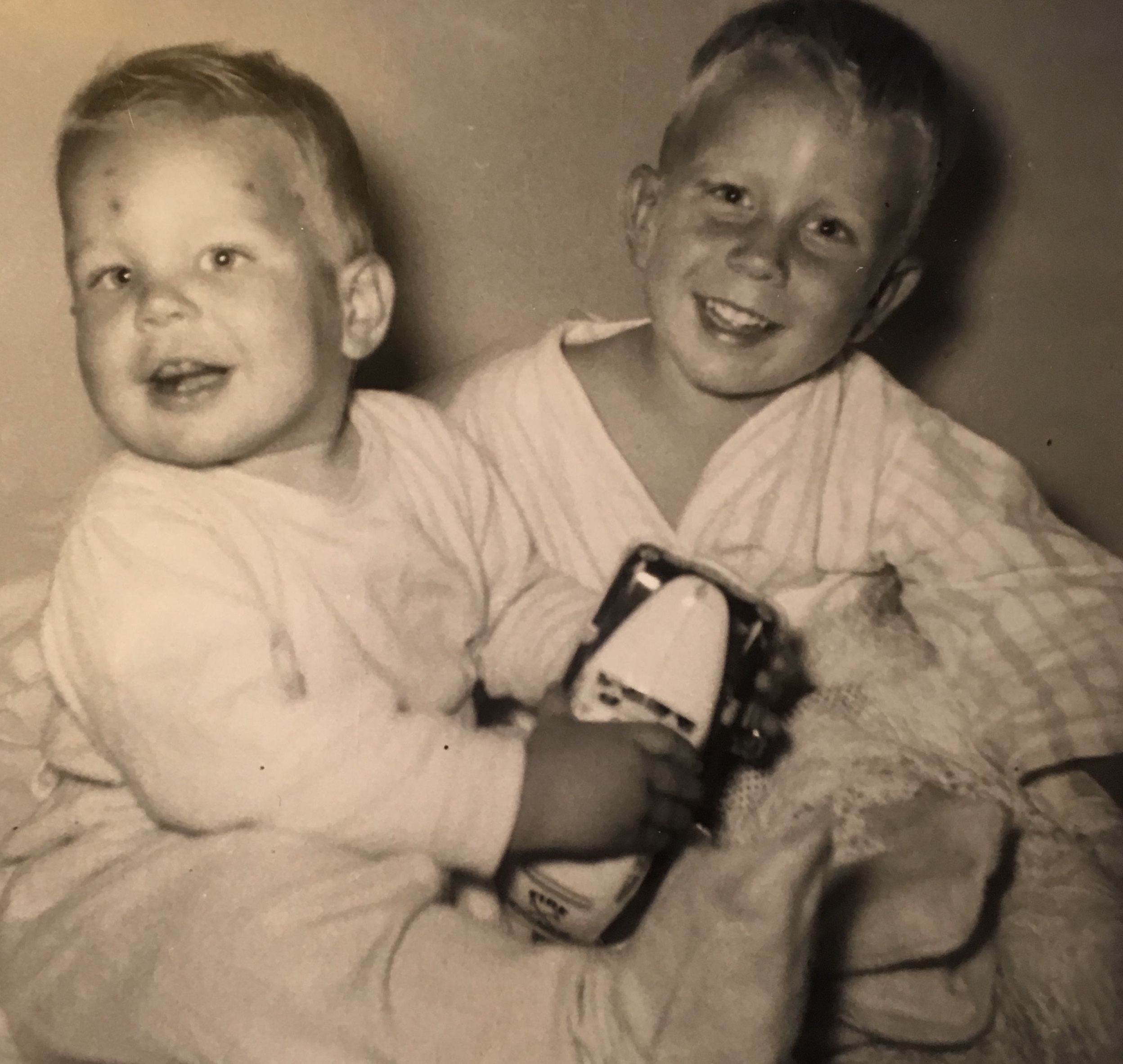
Gary, left, shown here with brother Dave, loved cars from an early age.

When Gary Crowe was 16, his life was disrupted by the arrival of a little sister (me). Very shortly thereafter, he got sick with appendicitis. So sick, in fact, that Mom and Dad had to sign off on a not-yet-approved drug in order to save his life.

Thankfully, he recovered, but he’d missed so much school that he ended up dropping out. In the 1960s, North Central High School in Indianapolis did not have programs for budding auto mechanics like him. Gary loved cars, classic cars in particular. He worked for a number of automobile shops in Indianapolis and always had a car with which he was, or had been, tinkering. One was a red MG convertible, and I remember Gary, older brother Dave, and I tooling around in it.

He moved to the San Francisco Bay Area in 1978 and worked for a car dealership, eventually heading its service department. For a few years, he lived on a 35-foot cabin cruiser.

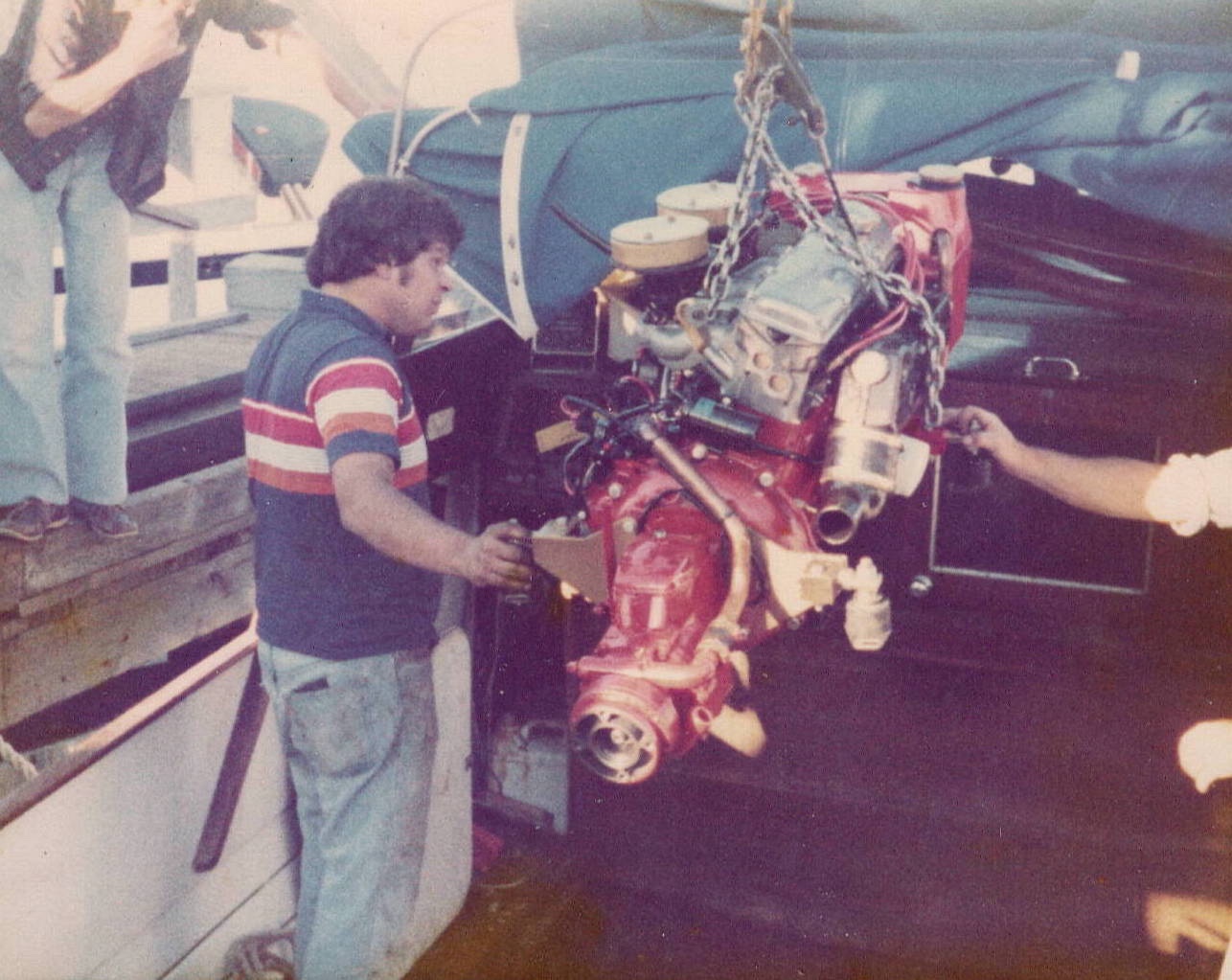
I’m not even sure what this was, but Gary understood it.

Gary always answered my car and computer questions (which also gave me an excuse to check in with him) and even helped me buy a car from across the country. As the years went by and the recession threw bumps and craters in his employment path, he discovered a talent and love for cooking.

Gary passed away Feb. 25, 2021 at age 70 in California.

While trying to think through ways to celebrate my brother’s life during a pandemic, I kept going back to his high school days. Would a vocational program have kept him in school? Probably. I can’t know for sure, but I do know the folks who work on our cars deserve good training in everything from basic engine function to the intricacies of today’s vehicles. As a supervisor, Gary would no doubt have appreciated new mechanics who came well prepared to diagnose and repair.

Therefore, I invite anyone who would like to do so to contribute to the automotive services program at the J. Everett Light Career Center at North Central to help today’s car whisperers get started. Just follow the link to the online giving form, select the “in memory of” option, and type in Gary Crowe under additional gift information. The very kind folks there will get it to the right place.

Ride on, Gary.

Use caution first with essential oils

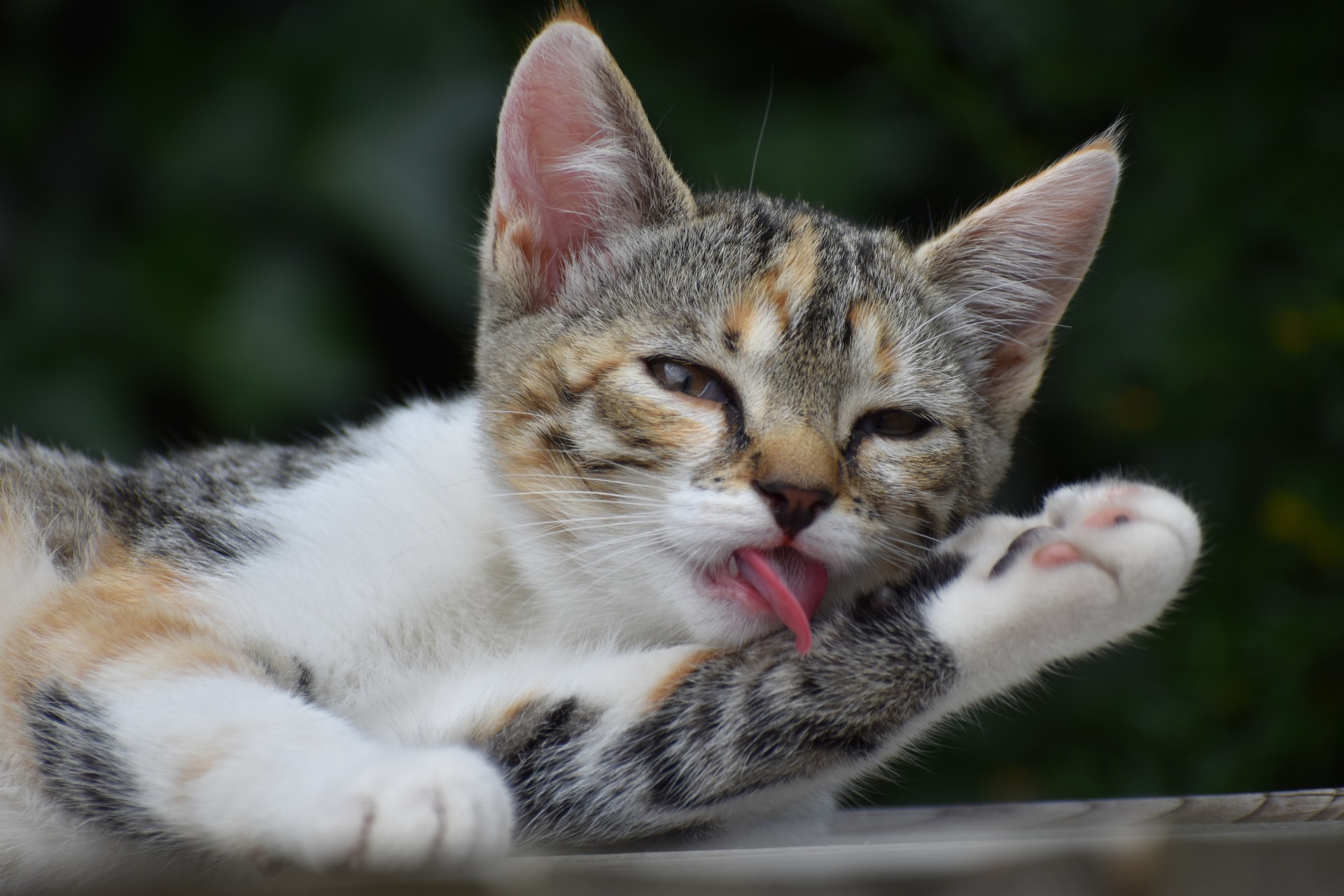
Image by Charlotte Govaert from Pixabay 

When a journalist friend shared a Snopes Fact Check piece about essential oils being poisonous to pets, I took notice.

Snopes is generally good at sifting out scams and misinformation, and I already knew cats are much more sensitive than other animals to essential oils. Its rating: True. When used the wrong way or in the wrong concentration or amount, even diffused, essential oils can be toxic.

I would never suggest a client use essential oils with any animal without first seeking reliable guidance on which oils to use, how, and with what species. First, I’m not a veterinary professional. Second, there are too many variables — species, the individual animal, the condition being treated, oil quality, and use. The following is intended only as a starting point should you want to learn more about essential oil use for animals.

A veteran physical therapist and dog parent told me about animalEO, a line of essential oils and blends developed by holistic veterinarian Dr. Melissa Shelton. Her website is packed with information and instructions, and there is a very active animalEO Facebook group hosted by Dr. Shelton herself. (Good luck keeping up with the high volume of posts.) Also see her response to the viral post that led to the Snopes piece.

I’ve used a few of these blends with my own animals, mostly for diffusion and at low concentrations. The whole household benefits from a little aromatherapy. Moreover, it gives me confidence to know that the products were created for animals by an experienced veterinarian. (I receive no compensation from animalEO.)

Speaking of oil: CBD oil and other cannabinoid products for animals merit even more caution. There is very little data on their use, and your veterinarian may be restricted from even discussing it. 

Finding reliable pet health information in a sea of social media and commercial sites can be challenging. Here are some guidelines I use, both as a journalist and an animal wellness practitioner. 

If you are interested in using essential oils — either for yourself or the animals you love — there is no harm in going to animalEO to learn before you buy. Then here are my recommendations:

  1. Don’t be tempted by cheaper, lower-quality oils, or blends not formulated for animals. 
  2. Take what you learn (from whatever or whomever) and run it by your veterinarian.
  3. If you do use essential oils for or around animals, use as directed. When in doubt, use less rather than more.
  4. Observe your animal carefully. If you remotely suspect any adverse effects from the oil — stop use and contact your vet.

Remember that “natural” isn’t necessarily beneficial. As always, be mindful, not fearful.

Letting animals choose lets them be their best

Draft horse after Let Animals Lead Reiki session
(Photo by Nancy Crowe)

The massive draft horse was one of the saddest, checked-out animals I have met. He’d spent years on at least one Amish farm, was isolated and probably abused, and had given up. His new owner, the director of a nonprofit equine therapy center, wanted to find out what he needed.

The first thing I did was ask if it was OK to communicate with him. Surprised but skeptical, he agreed. The notion that he could choose anything was foreign to him.

Within a week or so, he told me what he wished to be called: Duke.

When I offered to share Reiki with Duke, I made it clear that opting out was absolutely fine. As we worked together during those first months, sometimes it was a yes and sometimes a no. How long the session lasted was also up to him.

That is the core of the Let Animals Lead method I practice. It’s all meditation and no hands unless the animal initiates contact, or the practitioner knows the animal well enough to gauge whether that would be welcome.

One day Duke decided he’d had enough Reiki and walked back into the barn. I thanked him and moved on to a pig a few feet away.

A few minutes later, Duke stuck his big head out the barn door and looked straight at me. “Got any more of that?” I heard.

I assured him I did, but he’d have to wait until the pig and I were done. When I returned, he was waiting at the fence. I met his eyes and saw hope.

His owner, veterinarians, equine bodyworkers, clients, and I all worked to help Duke heal from the effects of his past, giving him choices whenever possible. He still struggles mightily with triggers. But he has friends in the herd. He connects with veterans who also live with PTSD. He even let kids dress him up for the Fourth of July. Being a therapy horse would have been unthinkable for Duke not so long ago.

While we can’t let our animals choose to play in traffic or opt out of a vet visit, there are many other options we can offer. We can give them a choice of toys, blankets, or litter boxes. We can hold out two different treats and see which gets gobbled up first. We can let cats come to us rather than chasing or picking them up. We can suggest a walk or ride and pay attention to the dog’s body language for a “let’s go” or a “not today.”

Choice frees us all to engage honestly, be our best selves, and create our “better than before.”