Helping your pet when schedules shift

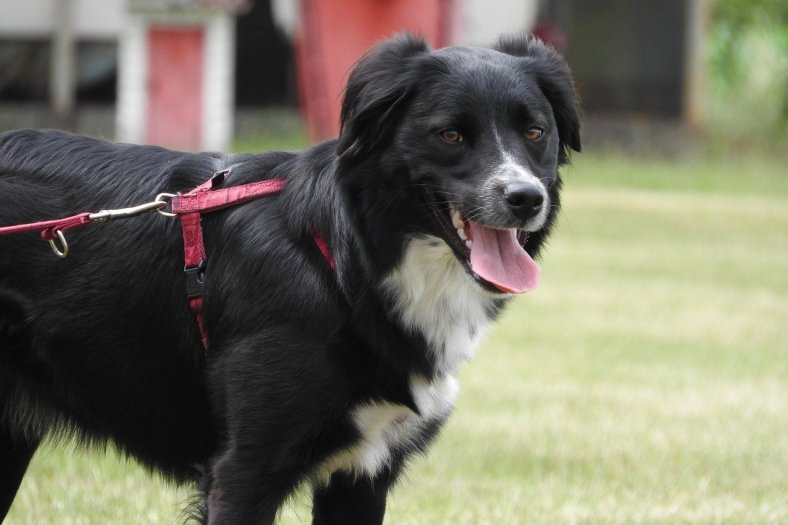
Image by Moshe Harosh from Pixabay 

Going from summer break to “back to school” can bring a learning curve for our dogs and cats, too. After having more of their humans around for three months, they may find themselves home alone for hours.

Some might be glad of a break. Others, especially if they don’t understand what is happening, may be sad, anxious, or bored. You could be looking at a furniture-scratching, pillow-chewing, garbage-raiding, howling back-to-whatever-passes-as-normal.

What can you do to ease back-to-school, back-to-the-commute transitions for both of you? Here are some suggestions from the ASPCA and my own experience:

  • Give the animals a treat every time you leave the house so they associate your departure with something pleasant.
  • Stuff treats in a rubber toy such as a Kong to give them something to work on.
  • Leave a radio on low volume. I like NPR for its calm voices and classical music, but if there is a particular kind of music your animal companion is used to or seems to like, go with that. 
  • Tell them where you’re going and when you expect someone will be home.  They understand more than you think.
  • Touch base during the day. You don’t need a phone or WiFi. Calmly bring your animal to mind, silently tell him you love him, and remind him of when you (or someone else in the household) will be home. Again — they get it.
  • When you’re at home, remind the animal that even though things are changing and perhaps stressful, you are doing your best. Thank her for all she does to help you. 
  • Keep school backpacks and lunchboxes not just closed, but out of pets’ reach. Many animals are poisoned when they get into things like raisins, sugar-free gum, and inhalers. (For an accessible, authoritative guide to what is and is not poisonous to dogs and cats, I recommend the Vet Protect app developed by an experienced veterinarian. It’s available on iTunes and Google Play.)
  • If your dog or cat’s separation anxiety persists, consult your veterinarian for help and to rule out any physical causes. 
  • Provided your animal has been seen by a vet for any concerns: As an animal communicator, I can also work with you to prepare pets for change, resolve behavior problems, and gain other important insights. All sessions are done remotely. I also offer animal Reiki sessions (in person in the Fort Wayne, Indiana area; distant anywhere) to help ease separation anxiety.

Here’s to a season of learning, however it may evolve, with the animals in our lives.
Let animals know about fireworks, thunderstorms

Animal communication and meditation help animals frightened by fireworks, storms, and other loud noises.
After a ground-shaking firework went off nearby, I talked it through with the horses.

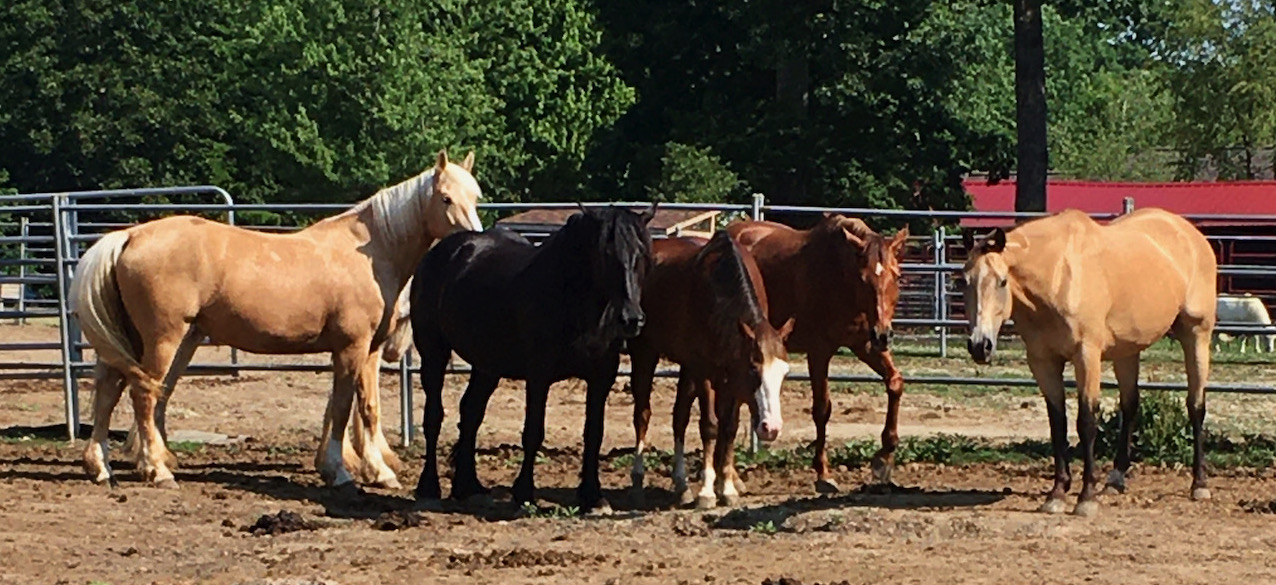
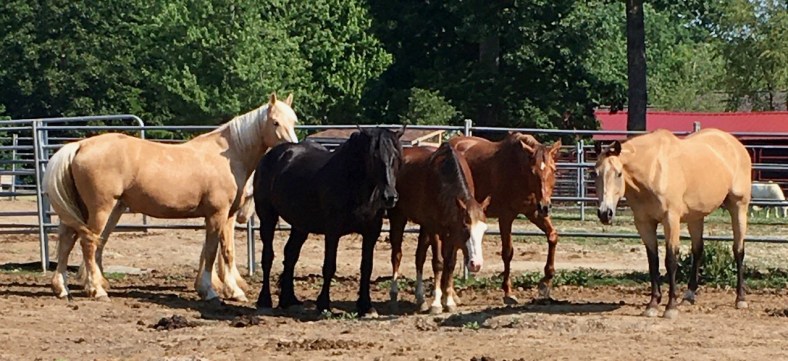
Five horses and I had just settled in for a Reiki session on a summer morning at a nonprofit equestrian center. Reiki is a meditation-based stress reduction modality that helps horses — especially during a busy season of camp, riding lessons and equine assisted therapy sessions — relax.

Suddenly a loud boom shook the pasture. The horses scattered, then huddled. Then they looked at me.

This wasn’t an isolated incident. A nearby pop-up fireworks store kept demonstrating its wares, neighbors were intermittently setting off their own, and nightfall would bring formal fireworks displays.

But this boom happened when I was there, and damned if we weren’t going to get a teachable moment out of it.

I switched into animal communication mode. Both animal communication and Reiki help animals cope with stressful events … but you know what they say about the right tool for the job, and it was time to talk about what was happening.

“Yeah, that was scary,” I told the horses, “but we’ve got this.”

Silently, using images along with the words, I explained that it’s OK to be unnerved (they’d seen me jump too!) but it was just noise and they could handle it. I also let them know they’d hear more of it in the coming days and nights. I pictured them standing together at night, alert but not panicked, amid the pops and bangs and streaks of light.

Then we continued with Reiki.

Many horses, dogs, and other animals (not to mention humans) are frightened to the point of severe distress by fireworks. The ASPCA offers strategies to help them cope with both fireworks and thunderstorms; ask your veterinarian if you think sedation might be needed.

Otherwise: Keeping calm yourself, letting the animals know what’s happening, and affirming your confidence in their ability to cope can speak louder than the booms.

Talk with your dog before a walk

Happy dog going for a walk
Communicate with your dog about the behavior you want on walks. (Image by MAKY_OREL from Pixabay)

Dog walks and dog park visits get more frequent and fun in spring, and now we are getting out with fewer COVID restrictions. Yet frustration still seems to flare up everywhere, including over dog (and owner) behavior in public spaces. 

Here are a few ways you can get the season — and each walk — off on the right foot with some simple animal communication techniques.

Before you grab the leash or even spell the W word, calmly sit or stand with your dog. In your mind, picture what the two of you are going to do — putting on the leash/halter, going to the dog park, walking down the sidewalk in your neighborhood — and how you expect her to behave. 

You can tell her in words, too, but say and picture what you DO want (keeping her attention on you, for example) instead of any behavior you don’t want. You’d be surprised at how readily all of this can be understood by an animal … especially if it’s consistent. 

Keep checking in with your dog during your walk or dog park visit, holding these same images of what you DO want in mind as you enjoy your time together outdoors. Keep your phone in your pocket unless there’s an urgent reason not to. This outing may be a tiny or obligatory part of your day, but it means the world to your dog. 

To keep yourself, your dog, and others safe, check out these good-citizen tips. You probably know the basics: Carry bags and pick up your dog’s poop. Keep him leashed and close to you (with a trainer-approved leash, not a retractable one). Prevent him from injuring himself, other animals, or people. 

If you do experience problems, even and especially if someone else brings them to your attention, please don’t hesitate to work with a trainer. There’s no shame or judgment, only a desire to improve the quality of life for your dog, you, and anyone you may encounter. A good trainer can help you work wonders, especially if you get a referral from someone you trust. It’s really never too late, in your dog’s life or yours, to develop better habits. 

I’m happy to help, too! Both Reiki and animal communication can be very useful in resolving behavioral issues, easing transitions, and giving animals and their people a “reset” during stressful times.