When animal suffering breaks your heart open

This is one of sixteen malnourished, neglected horses taken from a northeast Indiana farm in 2018. (Photo courtesy Friends of Ferdinand)

Those of us who work with animals — vets, zoo employees, rescue volunteers and practitioners like me — often get asked how we can stand to see animals suffer. Doesn’t it break your heart? Wear you down? Make you hate people?

Sometimes, yes. That’s why we are more prone to compassion fatigue, burnout and even suicide. That is a reality.

So is the need for what we do. The need to create a healthier, kinder world for animals is so huge, in fact, that it takes all of us, whatever our line of work or temperament. Illnesses and injuries can happen even when we are doing our best as animal guardians and professionals. They can lead us into a confusing, agonizing array of questions and decisions. Animal cruelty and neglect, whether we come face to face with it or just hear about it, can leave us wondering about our world.

Several years ago, I worked with six of 16 horses rescued from a severe neglect case (photo above) in my area. When I walked into the barn on that cold morning, I saw emaciated bodies, tangled manes and what looked like untreated infections. All of the horses were in various states of confusion; one had all but checked out and stood vacantly in his stall.

You bet I felt sad. And angry. All the things. But I was there to listen to them and share meditation to help them relax and regroup. Having a way to help allowed me to engage in a way I could not have otherwise.

Besides, the six horses before me were more than their body condition scores or how their human had failed them. They had their own personalities, perspectives and hopes. One knew she would probably not survive and wanted no fuss about that. The mare in the stall next to her just wanted to be with friends. The vacant horse showed me an image of a dark room with a sliver of light peeking in. They didn’t need my pity. They needed to be heard and seen.

This is Millie, whose main concern was being with friends. Whether that happened on earth or in spirit wasn’t as important to her.

It’s OK to cry or be mad as hell. Find whatever help and support you need. Then consider what you can do to make things better. Sit quietly with your dog as she is facing the last months or days of her life. Foster a horse for a rescue. Donate money for hay, cat food or medical expenses. No matter how small the effort may be, it will do more good than turning away or joining the calls for retribution on social media.

A cool book I read a few years ago has lots of ideas to get you started. You can also contact a local shelter or rescue and say you want to channel some heartbreak into good action. They’ll get it. Especially if you follow through.

Joining up with ‘The Man Who Listens to Horses’

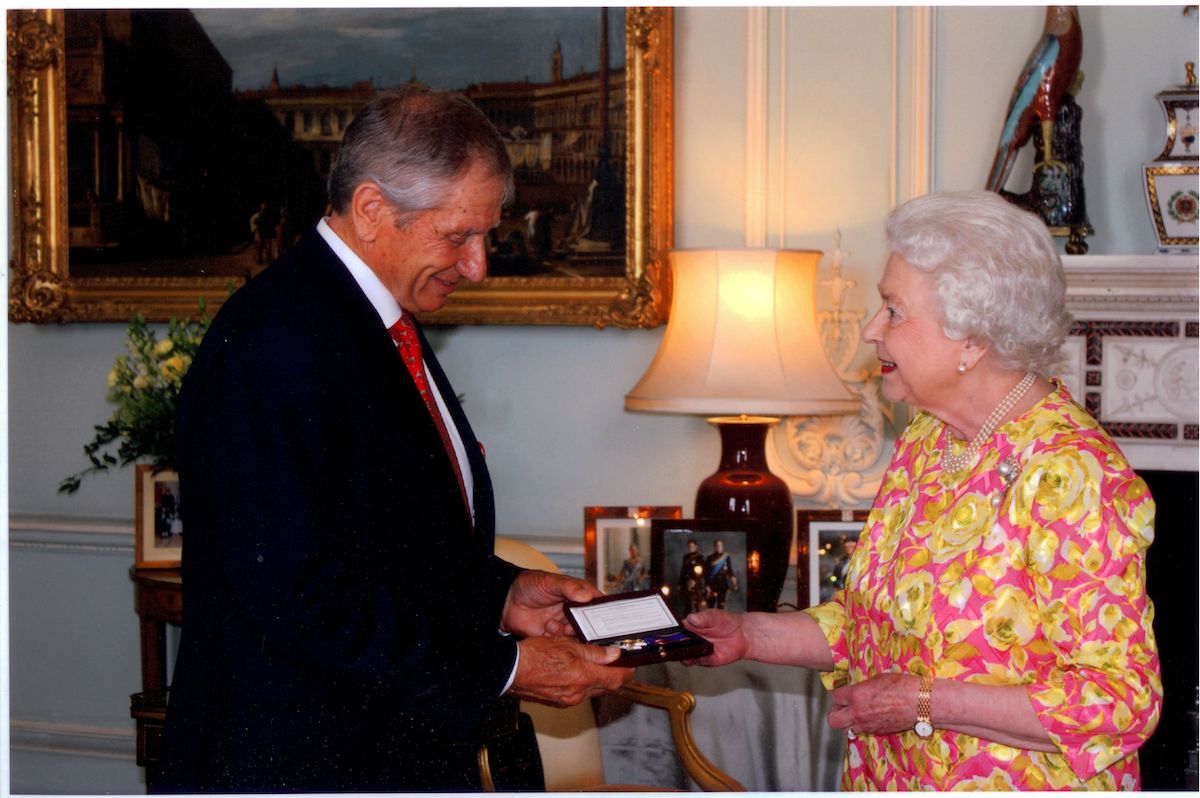
Monty Roberts, known for his nonviolent horse training methods, received the MVO (Member of the Royal Victorian Order) distinction from Queen Elizabeth II. (Photo courtesy Flag is Up Farms)

I love seeing the connections between my work and that of others in the horse world — in this case, trainer Monty Roberts.

Listening to horses (in their language) and building their trust propelled the career of this “California cowboy” and earned the trust of the late Queen Elizabeth II. After listening to Roberts’ Horsemanship Radio podcast for some time, I decided to read his 1996 autobiography, The Man Who Listens to Horses. Though I am not a horse handler, his Join Up® method of starting horses struck a familiar note. I wanted to know more.

Roberts, born in 1935, described a childhood of hard work and harder knocks. His father used traditional and often brutal methods to break horses in body and in spirit. Despite or perhaps because of this, young Monty figured out early that kindness and giving the horse a choice yielded better results.

His father and other horsemen called his methods foolish and dangerous, Roberts recalled. Dad drove home the point with abuse, prompting the younger Roberts to keep quiet about nonviolent horse training until he was out from under his father’s roof.

Word about Roberts’ work eventually got out. In particular, it got into a horse magazine read by Queen Elizabeth II, who invited Roberts to England to demonstrate Join-Up®. The trip was a game changer, not only for Roberts and the monarch who would become a friend, but for a growing number of horses around the world.

Join-Up® uses the natural language of the flight animal to gain the horse’s trust. The aim is for the horse to accept — by his own choice, never force — saddle, bridle and rider.

To my mind, this puts Join-Up® in the same family as Kathleen Prasad’s Let Animals Lead® meditation method, which I practice. It’s all about animal agency. Ditto for Fear Free, in which I’m also certified, which teaches techniques trainers, veterinarians, shelter workers, groomers and pet owners can use to reduce animals’ fear, anxiety and stress.

Likewise, though the book describes Roberts as a real-life horse whisperer, he claims no mystical ability. I agree that communicating with animals isn’t some mysterious mystical thing or the human telling the horse what to do so that the horse understands and complies. It’s about learning how horses experience the world, listening without expectation and respecting the inherent worth of another being.

So many descriptions of horse work in this book, including the step by step Join-Up® guide in the appendix, left me wanting a visual — so here’s a video of Roberts demonstrating with a young horse. Roberts explains what he and the horse are doing at every turn, though the image quality isn’t the best.

Also check out this one of Roberts and British actor Martin Clunes (“Doc Martin”) working with one of Clunes’ beloved Clydesdales.

A few parts of the book about Roberts’ business dealings read like something out of film noir. The depiction of his police officer father killing a black suspect, which he admits family members asked him not to include, is very difficult to read. The introduction and afterword, both by author Lawrence Scanlan, could have been pruned too.

I also found myself wondering why nonviolent horse training (or nonviolent interaction in general), was such a hard sell … but obviously, it was and in many arenas still is.

Whatever your background or philosophy, if you have or work with horses in any capacity, learning more about Monty Roberts’ method is worthwhile.

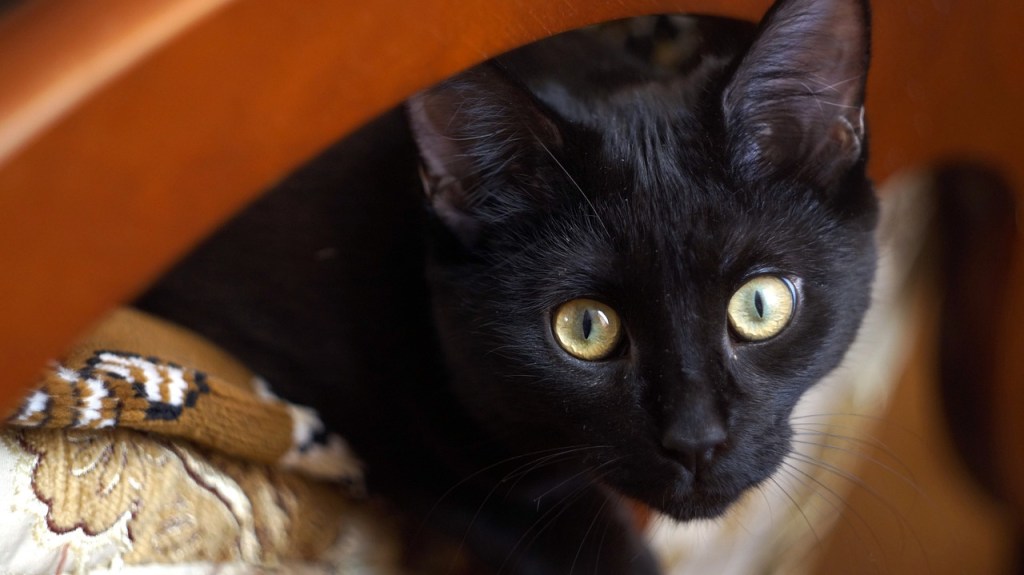
Cultivating resilience works with animals, too.

(Photo by Nancy Crowe)

Our sweet dog Molly deals with a host of anxieties: storms, fireworks, other dogs, bicycles, trailers, car rides, groomer and vet visits, etc. The good news: What can’t be avoided can be managed. Communication is a big part of it.

When this photo was taken, she was freshly groomed and knew we were going home. Before we even left home, though, I had pictured her calmly riding in the back seat and me walking her into the shop. I pictured her standing strong while her longtime groomer bathed, rinsed and trimmed her long hair, and her feeling more comfortable as a result. I pictured us going home and walking in the door.  

“Maybe you’ll even see Aunt Jody,” I’d told her as we set out. Molly’s ears perked up at her much-loved dog sitter’s name.

The key: I pictured Molly coping despite being afraid. I reminded her I wouldn’t take her anywhere that wasn’t safe.

Was she still anxious and wanting to have the whole thing over with? Yes. Did she have that panicked, betrayed reaction we’ve all seen when animals don’t understand what’s happening? No.

Unavoidable challenges can be great opportunities to build your animal’s confidence and trust. Whether he struggles with nail trims, hoof work, trailering or separation anxiety, animal communication — your own and/or with help from me — eases the way for both of you. Your farrier, vet, sitter or other carer will appreciate it, too!