‘Am I making my animal sick?’

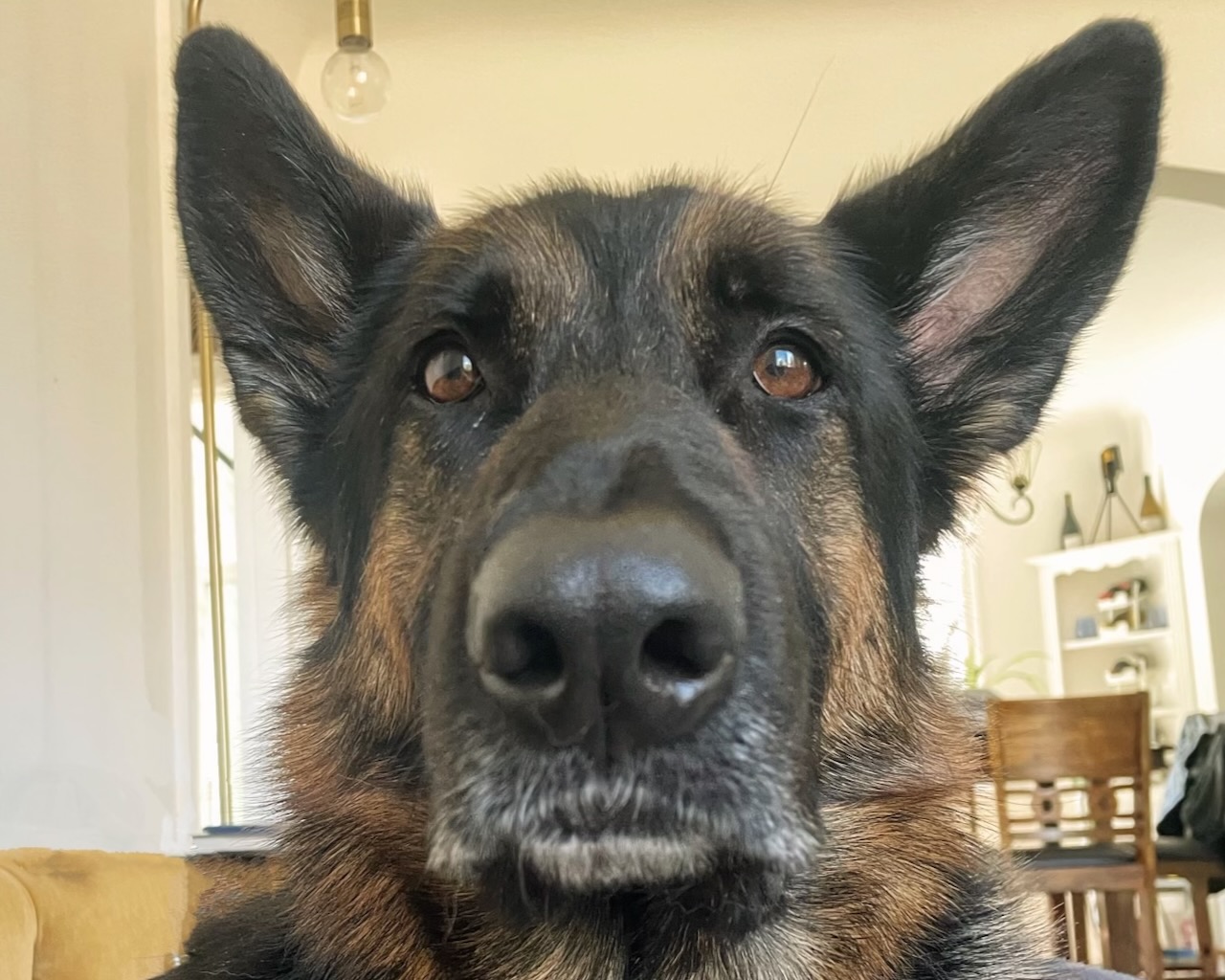
Image by Mirko Sajkov from Pixabay

You’re in the thick of a stressful time, and now your animal friend is sick or has developed a puzzling behavioral issue. That’s hard enough.

Since the link between illness and stress cannot be denied — nor can the link between you and your animal — you may even wonder if you are part of the problem. Did the animal take on your stress? Were you so distracted that you didn’t notice your pet was having problems?

“Am I making my animal sick?” is a question I’ve heard from friends and my animal communication clients. I’ve heard it from myself, too.

Before you go down this rabbit hole (I’ve been there; would not recommend), remember that the first person to talk to is a licensed veterinarian. Take the opportunity to learn and make recommended changes in your pet’s diet, environment or routine.

For that matter, this could also be a great time to top up your own coping skills. Exercise, for example — more dog walks, barn time, or cat play sessions — could benefit both of you.

Benefiting both of you is what this is about.

When I’m communicating with an animal, he or she will often show me stress in the household or barn. That can come through in, say, the image of a person angry or downcast. It could also be the sound of raised voices or just a heaviness I can feel in my chest.

Animals may not understand what’s going on, but they feel it. Some animals are afraid, perhaps for good reason. Most want to help.

Bentley, a 12-year-old Westie mix, developed digestive issues just as his person, Aileen, was grieving a huge loss. The vet prescribed medication and a change in diet. Still, she wondered if her stress had exacerbated his condition. “Am I driving him nuts?” she asked.

That notion hadn’t occurred to Bentley, who showed me a grey fog surrounding Aileen and her heart intact. “We’re doing this together,” he told me. They both have continued to heal.

It reminded me of when I feared I was making my tiger cat, Idgie, sick. I took her to the vet, we began treatment for her hypothyroidism and I took some important steps to heal myself and my life. On the night before her thyroid surgery, instead of the usual worrying I sat down to at least try a meditation. She curled up in my lap and purred. “OK, I think you’re starting to get it,” I heard before she drifted off to sleep. She inspired me to take better care of myself as well as her, and we enjoyed several more years together.

I’ve never had an animal tell me their person’s distress made them ill. What they tell me instead is that they and their beloved humans are tackling stress, illness and whatever else as a team. They can’t solve your problems (though your shepherd dog would gladly try), but they will sit, stand and walk with you every step of the way. That may be the best medicine of all.

A timely visit with the owls … and an eagle

I had a chance to meet some beautiful birds the other day when Soarin’ Hawk Raptor Rehabilitation Center held a fundraiser at Wild Birds Unlimited in Fort Wayne.

Above are Puck, an eastern screech owl with an injured wing from a probable car strike; Jefferson, a bald eagle who was shocked by an electric wire and has arthritis in his elbow; and Athena, a great horned owl found orphaned with an injured wing. 

Below are Monet, a barn owl donated by a falconer; Oakley, a red-phase Eastern screech owl who was hit by a car and lost an eye; and Indy, a barred owl found stranded and possibly blind on the median of Interstate 69. Though some of his vision has returned, he can’t see well enough to be released.

All sat quietly on volunteers’ gloved arms in a bustling store packed with admirers and shoppers. The trust between the birds and their handlers, including Chewie and friend below, was palpable. Chewie, short for Chewbacca, is a Eurasian eagle owl who was also donated by a falconer.

Meeting the birds and listening to the Soarin’ Hawk volunteers tell their stories, I was struck by the persistence, patience and love this work must take. The humans, and the wild birds who have become ambassadors — most by way of misadventure — team up for healing and to inspire others to care. 

When Jefferson the eagle was brought out, I felt a pang of both love and sadness. The eagle is a national and spiritual emblem, I love my country, and I’m sad for where we are right now. 

Do living, breathing eagles understand what they symbolize? I don’t know, but this one looked me in the eye. “I’m OK. It’s OK,” I heard. 

Eagles, according to Soarin’ Hawk, adapt slowly to change and so are difficult to train as education birds. Yet here Jefferson was, doing his bit. 

Maybe we can heal, too.

Managing noise: Lesson from a German shepherd

As the July 4 fireworks intensified, Iona the German shepherd trotted from one window to another — an elevated version of what her mom calls (and I paraphrase) guard dog stuff.

By the time night fell, a calming chew had taken the edge off, but she was still distressed by the pops, bangs and booms she could hear and feel but not see. How was she supposed to respond to this threat with insufficient data?

I told Iona, as I’ve been telling animals for decades, that it’s just human noise. It’s rattling, to be sure, but manageable. Even though she couldn’t see the source of the noise, she was safe at home and we would ride it out together.

My partner, our honorary daughter, Iona and I settled in to watch a movie. Eventually, Iona curled up on the sofa (of course she’s allowed) with her mom, and a bit later she shifted around and stretched out with her head in my lap. I told her she was very brave even if she didn’t feel brave.

On the same night, a client of mine sat on the pasture fence as horses gathered around her. The humans on the nearest street seemed to have an endless supply of fireworks, and she stayed with the herd until the worst was over.

We are all confronted with “noise” that scares, confuses or angers us. We can’t control it, but we can manage its impact. One way is by acknowledging it and being present.

Even when we perceive the sound differently (say, like a dog and a human), we can sit quietly together and see if something better surfaces. Even if it’s just a kind word or an ear scratch.