Animal health info: what I do (and don’t do) with it

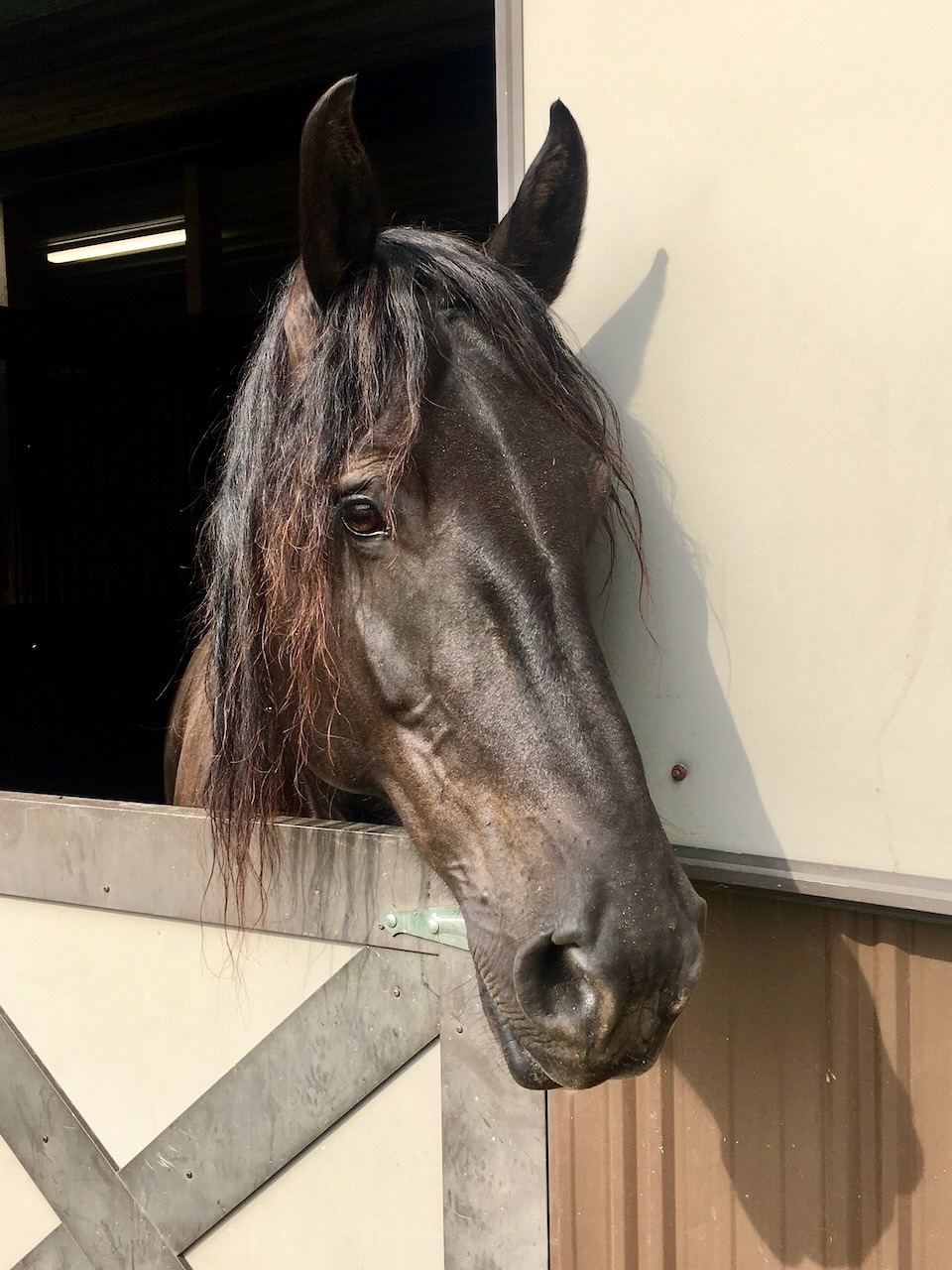
Having Mojo tell me what he needed, and relaying that to his human and an equine bodyworker, helped us all help him feel better.

As a non-veterinarian, I do not diagnose or treat. As an animal communicator, I do sometimes get information about sore hips and hooves, tummy discomfort, itchy spots and more.

Sometimes the animal’s human caretaker tells me about any health issues going in. When I’m on regular rounds I always check in with the humans ahead of time for any updates (health included). Sometimes the animal himself will tell me about a health issue — or show me through images or feelings — during the communication session.

“What does your vet say?” is always my first question when a client arranges a session. I want to make sure that any medical reasons for the cat not using the litter box or the dog’s increasing anxiety have been addressed and ruled out.

Medical or otherwise, “what’s wrong” is never the focus of a communication session anyway. That’s because all of us living beings are so much more than our symptoms, illnesses, injuries and seemingly odd behaviors. Nothing that happens to an animal changes the fact that she is a unique creation with an inner light all her own.

I relay any information the animal chooses to share, including anything that might relate to health, to the human carer. The human can then choose to ignore it, keep an eye on it or share it with the vet. As I always tell clients: Take from this only what resonates and is helpful, and leave the rest.

Much the same goes for my Let Animals Lead® sessions. In this specialized form of Reiki, the practitioner never “beams” energy to the animal or any body part thereof the way a practitioner might in a human Reiki session. Because Let Animals Lead® is meditation-based, a session is a quiet time to relax and reset. Though this method is not about fixing anything (and I keep the Serenity Prayer close), relaxation can only help with healing, whatever healing might mean for the animal in that moment.

It’s important to note that Let Animals Lead® is hands off unless the animal initiates contact … and many do, especially if they’ve been working with me for a while. Animals know what they need. I once had Mojo, a Tennessee Walking Horse, back up against the fence between us and ask for hands-on energy. He showed me some pain in his hips and along the left side. I placed both hands on his hips and began my meditation. After a while he began licking and chewing, then walked off to join the rest of the herd. I passed this along to Mojo’s human and to the equine bodyworker who also worked with him. After her session with him a day or two later, she told me she adjusted a misalignment on the left.

The codes of ethics I follow for both animal communication and Let Animals Lead® are clear about not dispensing medical advice or treatment. They’re also pretty clear about showing up and doing what we can do. It does take a village, and I try to do my part in it.

Find the extraordinary in the ordinary

This season reminds us that the humblest places — barns, pastures, homes — not only provide safety but connect us to something bigger. So many of these connections happen in the company of/because of our animal friends.

As an animal communicator and Let Animals Lead® practitioner, I’ve been privileged to share many such moments this year. Please enjoy this three-minute video honoring them. (Sound up … breathe.)

When traveling with animals, get there together (and safely)

Pepper and I outside my apartment at Louisville Presbyterian Theological Seminary (Photo by Charlie Castner)

The day Pepper and I moved to Louisville was stupid hot. My parents helped me load the last few things into my 1986 Mazda in Columbus, Indiana and we were off.

Sweat trickled down my face and chest despite the air conditioning being on full tilt. I was excited about starting my degree program at Louisville Presbyterian Theological Seminary, but for the moment I just wanted to get myself and my dog there safely.

As we chugged down I-65 in the searing sun, I glanced over at Pepper. I’d never allowed her in the passenger seat, but with every inch of the back stuffed with stuff, there was nowhere else for her to be. The 13-year-old rescued schnauzer mix sat facing me, panting. No car seat, no harness, no nothing.

I’d communicated with Pepper for weeks and days as I packed for the move. But if there was ever a “Tell me again. Where the hell are we going, and WHY?” expression, she wore it that day.

Dogs riding loose in cars might have been standard practice in 1993, but it wasn’t and still isn’t safe. If special harnesses, car seats or other devices were available then, I didn’t know about them. Pepper and I traveled many miles over our 15 years together and I am grateful we both emerged unscathed.

Today we have travel crates, crash-tested harnesses and awareness, though you still see many pets bouncing around in back seats and truck beds. Wirecutter offers this guide not only to tested top picks but best practices (“Would you let a kid do it?”).