Animals respond to music

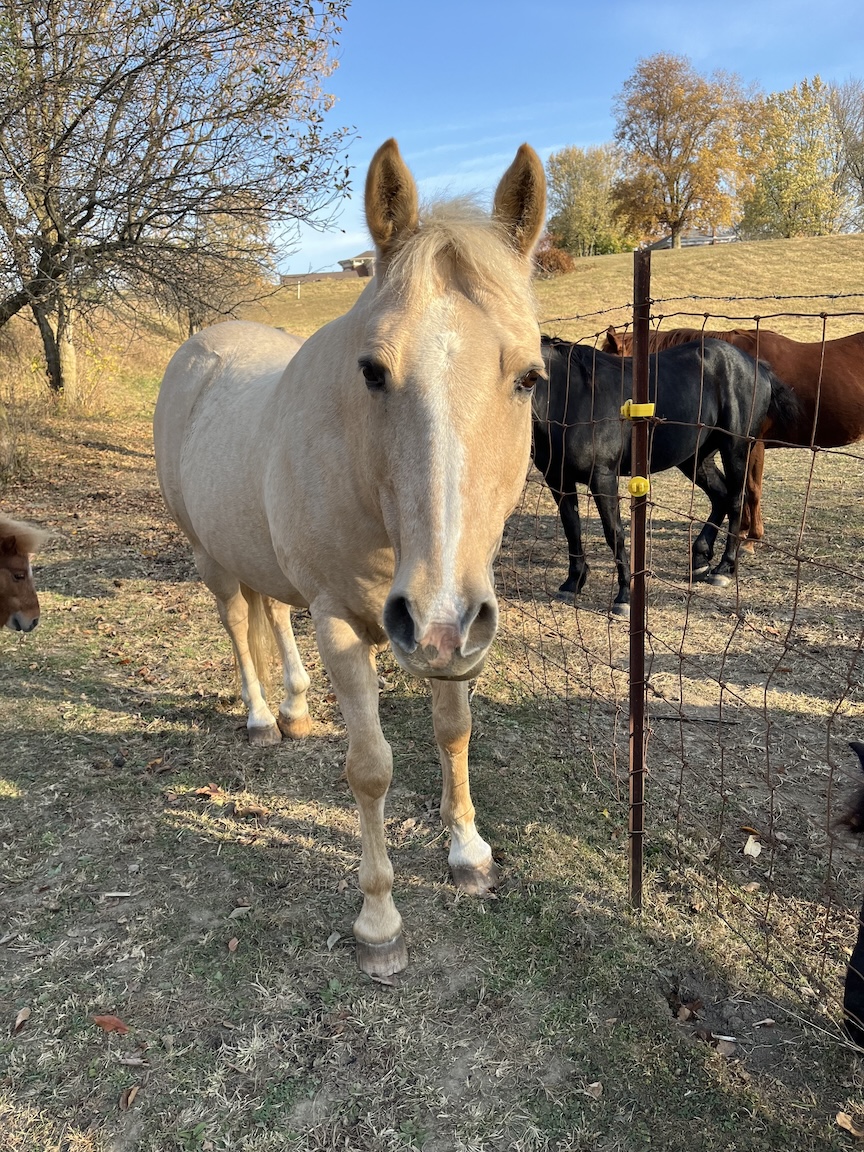
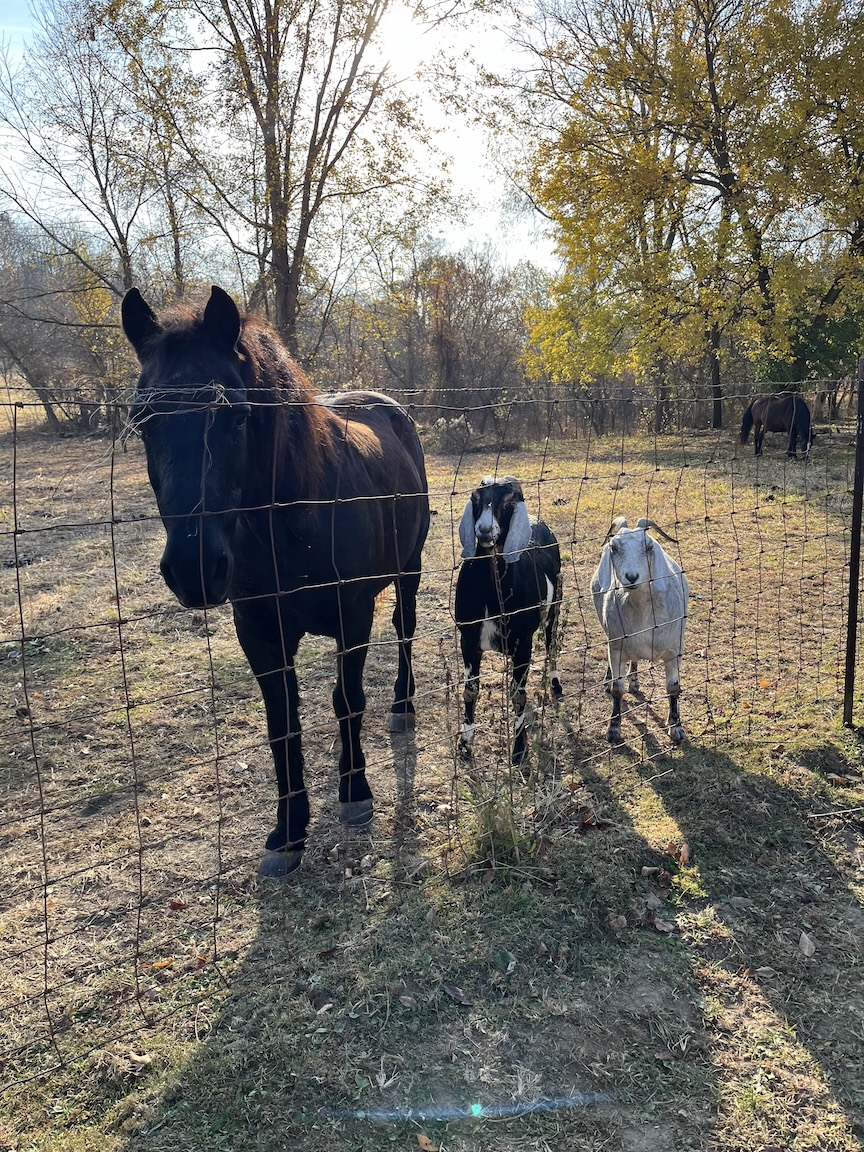
The crew above liked the Tibetan singing bowl recording I played. Other creatures have been partial to Gregorian chant. If animals depend on their hearing for survival, music appreciation (even preferences) shouldn’t be surprising.

Another example: My father-in-law’s care home had an aviary in the lobby. It was just off the dining room, which was also the site of guitar sing-alongs, concerts and music therapy sessions. After a while I noticed how the finches, mourning doves and other birds responded to the sounds that came through the door. Sometimes they seemed unaffected, flitting and chattering as they had before the program started.

During a selection of piano classics, I walked by to find them all perched, cocking their heads now and then. The human audience, whether transported to another time and place or enjoying the present moment, seemed equally content.

Science has demonstrated the effects of music on the brain, and music therapy is part of many human health and wellness settings. Your grandmother might not remember your name, but she might recognize the melody of a Nat King Cole song, especially if she and Grandpa danced to it.

You can find videos and stories of grieving whales soothed by violins and dogs chilling in their kennels as a cellist performs in the shelter. Even though you’re not there, by watching the animals you can feel how the sound fills and alters the space.

But I don’t think the benefits end with the last note. There is something about music that keeps healing even in the silence, even amid the noise in the world. It might even replace the noise in our heads.

And how many of us have had songs stuck in our heads? More on that in a moment.

A while back I loaded Chant, the popular 1994 album by the Benedictine Monks of Santo Domingo, from the CD cabinet into my iTunes. Gregorian chant is prayer sung in Latin, generally without accompaniment. Its development is attributed to Pope Gregory the Great during medieval times, but there is some scholarly uncertainty about that. Regardless, to listen to it is to step into the eternal. You don’t have to know a word of Latin to understand each chant is about God’s presence in any circumstance.

I began to include the chants in my Let Animals Lead® practice, a form of animal Reiki based in meditation. Sometimes I have the music playing softly from my stereo or the phone in my pocket. My favorite is Puer Natus in Bethlehem; take two minutes and check out this lovely video version.

My Let Animals Lead® teacher, Kathleen Prasad, says chanting (of whatever spiritual stripe) unites breath with sound in a way that calms and heals. Where fear and sadness constrict, chanting expands.

“The more expansive you become, the more easily you can feel emotions without being knocked over by them,” she says in her Animal Reiki Source blog. Animals will feel this expansiveness and want to share your strong, balanced space, she continues.

2019 07.26 Mildred in sun
Mildred and I shared meditation with Gregorian chant. (Photo by Nancy Crowe)

On rounds at a farm, I sat down in the shade, pulled up iTunes on my phone and clicked on one of the chants — I believe it was Kyrie Fons Bonitatis (Lord, fountain of mercy). Mildred, a goat who has seen a lot of living, had been lounging on the grass nearby. Now her head swiveled around, ears alert. It wasn’t her “What is that infernal noise?” look (I knew that one). Mildred recognized what she was hearing. She listened with me as we shared a Let Animals Lead® Reiki session. Soon she closed her eyes and lifted her face to the sun.

I wondered if, in her storied life, Mildred ever spent time in the pasture of a Benedictine monastery. Or, on this day, did she simply tune into a sound and energy connecting her to her creator? The particulars didn’t seem to matter much to Mildred. All I got from her was that she liked hearing it again and it made an already beautiful day — moment, really — even better.

Even though I wasn’t doing the chanting myself, allowing that expansiveness to move from God through the monks through me and Mildred was truly a gift.

I can’t carry a tune in a bucket or any other receptacle. So when I don’t have the actual music playing, I try to carry the energy of the music with me. You could say I keep it “stuck” in my head and heart to share with the animals, however it may benefit them the most.

Think about this … and feel free to share:

  • If you leave a radio on for your animal friends when you leave the house, what music do you choose?
  • If you sing or play an instrument, how do they respond?
  • How does having a song (or chant, or other music) stuck in your head make you feel and respond to others?

Backing up animal communication with action

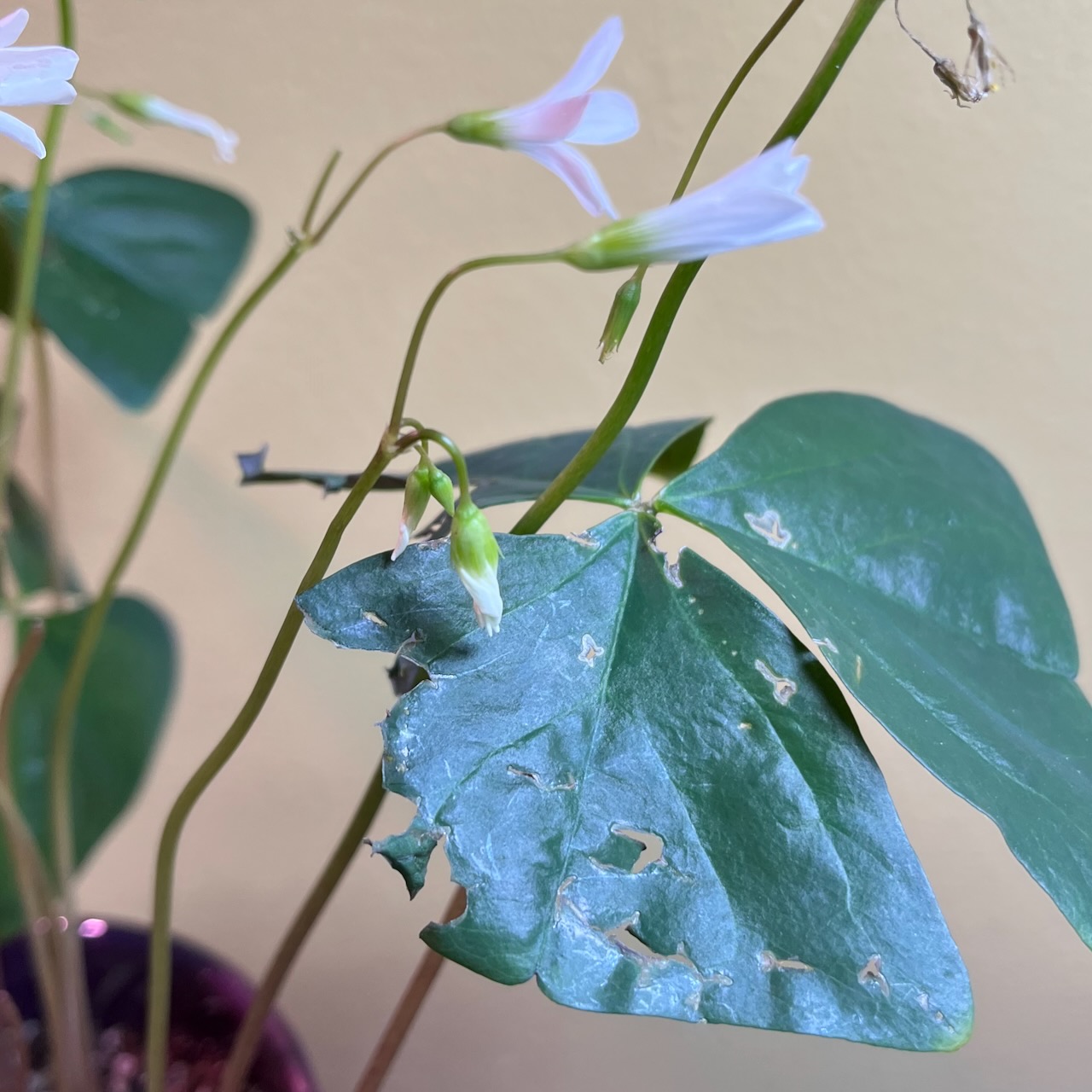
I called the vet clinic as soon as I noticed the missing shamrock leaves, and teeth marks in a few more. There was no question as to which of our two cats was responsible: Dusty, an 8-year-old calico with a history of ingesting things like fake Christmas tree needles.

Bring her in, they said.

Shamrocks are not as toxic to cats as other plants are, such as those in the lily family. Dusty still had to spend 24 hours at the vet clinic getting IV fluids and having her blood checked regularly to avert kidney damage.

I communicated with her several times from home, letting her know that she was safe and cared for and would be home soon. That she is loved no matter what. Trying my best to do so calmly, I also pictured the direct connections between her eating the shamrock leaves, my partner and me being upset and whisking her off to the clinic and her being there overnight with a tube in her leg. We also shared distant Let Animals Lead® meditations to help optimize Dusty’s treatment and keep us both calm.

The shamrock plant went into a closed room while I decided on best pet-plant safety practices.

Thankfully, Dusty came through the experience unharmed and we were able to bring her home the next day. Not an hour later, I saw her jump up on the table in my home office where the shamrock had been.

Clearly, this was going to be a process.

Dusty didn’t care for the shaved IV site on her right front leg.

Clear communication about expectations and consequences is important with any species. But for everyone’s safety and peace of mind, we often have to back communication up with action. (It’s like telling your kids the liquor cabinet is off limits, but also locking it … especially if there have been previous violations.)

My smaller plants now live in a reptile habitat, and I moved a large croton off the floor to be less tempting. All plants in the house are surrounded by bits of sticky tape and sprayed weekly with Bitter Yuck. I also keep a kitty scratching pad and toys in my office for enrichment and diversion from the plants.

For harmony of animal and plant life, and to avert horrible outcomes, I recommend these steps. All of them.

  1. Know what’s toxic before planting it in your garden, adding it to the pasture, or bringing it into your home. The ASPCA maintains a list of plants known to be toxic and non-toxic to dogs, cats, and horses, but advises that ingesting any plant material can cause vomiting and gastrointestinal problems.
  2. Know your animal companion, his curiosity level and interest in plants or other unauthorized objects. For example, if your dog is a shoe guy and has never looked twice at your flowers, you may have less worry than if his tastes are more universal (i.e., gets into everything).
  3. Be clear with your animal about what will happen if they chew on or eat plants. “If you eat this, you’re going to feel very dizzy, your tummy will hurt really bad, and I’ll have to rush you to the vet. I’d be so upset and frightened if that happened.” Picture all of this as you speak. “So find something better to do.” Then picture him calmly walking away from the plant and picking up a favorite toy, going to look out the window, or coming to you to be petted.
  4. Keep plants and pets apart. These, short of barbed wire, are my current methods.
Plants behind glass with bits of sticky tape for good measure … because that’s how we roll now.

Bottom line: If you know or suspect your animal may have ingested something poisonous, contact your veterinarian, emergency vet clinic, or the ASPCA Animal Poison Control Center, (888) 426-4435.

Solo practitioners: Avoid payment scams

Image by Thomas Breher from Pixabay

There was no suspicious link, no Nigerian prince, no call from someone claiming to be a grandchild in trouble. This scam was new to me, and in the end I didn’t fall for it — but there were several red flags that could have saved me some time. Maybe they’ll save you some time, heartache or money.

Long story short: A person emailed me through my website and booked distant Let Animals Lead® animal Reiki sessions for her dogs, for which she said she’d pay by check. I normally don’t take checks for my animal work, especially from new clients. However, there was enough time to cancel if the check didn’t arrive, so I reluctantly agreed. Then she said she’d accidentally cut the check for $4,300 instead of the $430 she owed. Would I please deposit the check and send her back the difference? After asking my partner if this sounded suspicious – and her saying yes – I told the person no.

Now let’s look at the many red flags here:

1) The person contacted me through my website asking about my services, when that information was easy to find on said website.

2) She said she’d be paying by check. Even if she had asked if I take checks instead of telling me that’s how she was paying, I should have politely refused.

3) She emailed me an hour or two later to say she’d mistakenly cut a check for a much larger amount than what she owed. Since she “couldn’t write another check for a while,” would I deposit the check and send back the difference? Evidently this is known as a check overpayment scam; the check will be fake, but by the time the bank discovers it’s fake, the scammer already has the money you sent. Then you’re on the hook repaying the bank.

4) When I said I wouldn’t do that, and again asked her to pay through PayPal, she said she wasn’t permitted to use any third party apps because of a charge back dispute. If that was supposed to get me to let my guard down, she needs to go back to Scammer School.

5) She then dug in, saying she really wanted these sessions for her dogs: “So please once you receive the check, you’re going to deduct your fee from it and send the balance.” Again, a legitimate client — or at least a client I would want to work with — would not say this.

That’s when I repeated my “no,” cancelled the sessions and ended the interaction.

I have to admit wondering why anyone would bother to scam me and not someone more “scamworthy.”

But, sadly, it makes sense that scammers would go after solo practitioners, especially in service-oriented fields. We do this work because we want to help animals and the people who love them, and we’re on our own. My administrative staff, accountant and IT department? They’re all me.

You may want to give someone the benefit of the doubt, but your doubt is a valuable tool. Use it.

At the very least, see it as a sign to pause and ask more questions.