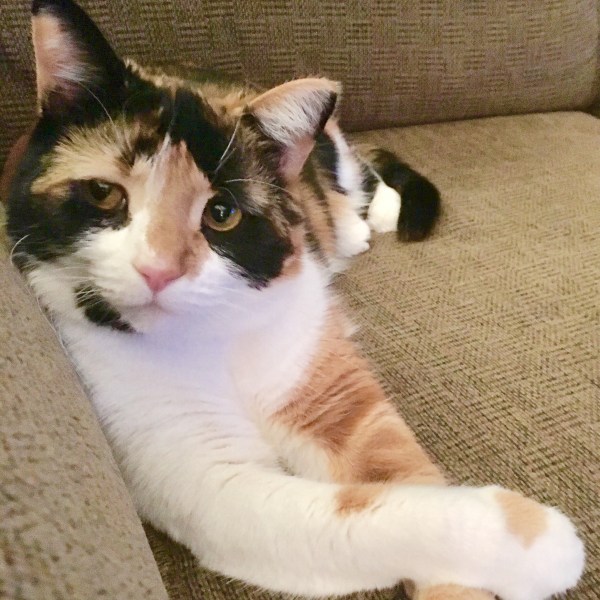
The first lesson of animal Reiki? The animal is always at least one step ahead … and that’s OK.
If you are considering Reiki to support a beloved animal’s well-being, it may help to know more about what actually happens during a typical session.
Getting there
For in-person appointments in the Fort Wayne, Indiana area, which last about an hour, I come to your home, barn, or clinic. When I arrive, we can get acquainted and talk about whatever concerns you may have. Then I’ll find a comfortable place to sit or stand near the animal. After I say a silent prayer and gain the animal’s permission to share energy, I will enter a peaceful, meditative state. The animal is free to lie still, stand, move around, eat, get a drink of water, go out for a pit stop, etc. The Reiki energy — the life force that animates all living things — will go right to work, wherever it is needed, regardless.
Why it works
It works for two reasons. First, the energy comes not from me but from a higher power: God, the Universe, All That Is. There are many names. I’m the conduit, not the source. Reiki is a stress relief and relaxation modality and not affiliated with any particular religious tradition, but at the same time, it is based on the notion that the energy comes from a safe, loving place where all living beings are connected.
Second, I am sharing the energy with the animals rather than doing something to them. During a session, cats or dogs will often come closer, curl up next to me, or settle in my lap, but they sometimes prefer to be a few feet away or even leave the room. That’s OK; I won’t chase after them. However they want to participate in a Reiki session, or not, is up to them. It’s really not the same model of the Reiki client lying on the table and the practitioner moving around him or her using the hand positions.
That’s why it works. More often than not, we don’t know how, and that can be hard to get our heads around. I’m a skeptical journalist who never expected to be doing anything like this, and I wouldn’t keep doing it if I didn’t see the benefits.
A peaceful presence
An animal Reiki session is not about fixing the animal or getting rid of what’s wrong. Reiki, which never harms, is about creating and sharing a peaceful space that promotes whatever healing needs to happen. The animals often have a better sense of that than we do, which is all the more reason to let them lead.
You and any other humans or animals present are welcome to participate and may also benefit from the session, but I generally keep conversation to a minimum during the meditation. After about 30 minutes, I will gently bring the meditation to a close and we can talk about any feelings, questions, or impressions that arose. I may share intuitive information I received during the session that might be helpful to you, but I am not a medical professional and do not diagnose. Most animals (and humans) feel relaxed and rejuvenated after a Reiki session.
We can then discuss and/or make an appointment for further treatment. The benefits of Reiki are cumulative and it helps the animal to get to know me over multiple visits, so I generally recommend a series of three sessions over 10 days to three weeks, depending on the animal’s circumstances and needs. Then I’ll be on my way, and you are encouraged to call or email me with any questions or concerns.
Animal Reiki and animal communication
Animal Reiki may involve communication, and I often send distant Reiki energy as part of an animal communication session. However, a Reiki session is a time of meditation and quiet healing, and an animal communication session is about gathering information and insight. So, while there is some overlap between the two, the objectives are different enough that I handle them separately. Please see my animal communication page for more information.



 All Creatures