Find the extraordinary in the ordinary

This season reminds us that the humblest places — barns, pastures, homes — not only provide safety but connect us to something bigger. So many of these connections happen in the company of/because of our animal friends.

As an animal communicator and Let Animals Lead® practitioner, I’ve been privileged to share many such moments this year. Please enjoy this three-minute video honoring them. (Sound up … breathe.)

Study finds Reiki helps with pain relief in dogs

The American Holistic Veterinary Medical Association has published a blinded, placebo-controlled, randomized clinical study on how distant Reiki affects the quality of life and well-being in dogs. Reiki, as you may know, is a Japanese stress relief modality. I practice a specialized, meditation-based form of Reiki called Let Animals Lead

All dogs in the Reiki group (vs. the placebo group) showed owner-assessed pain improvement, with 70.6 percent showing an “excellent” or “moderate” improvement. Here’s the abstract with link to the full article by Claudia Ruga Barbieri, DVM, MS, MBA. 

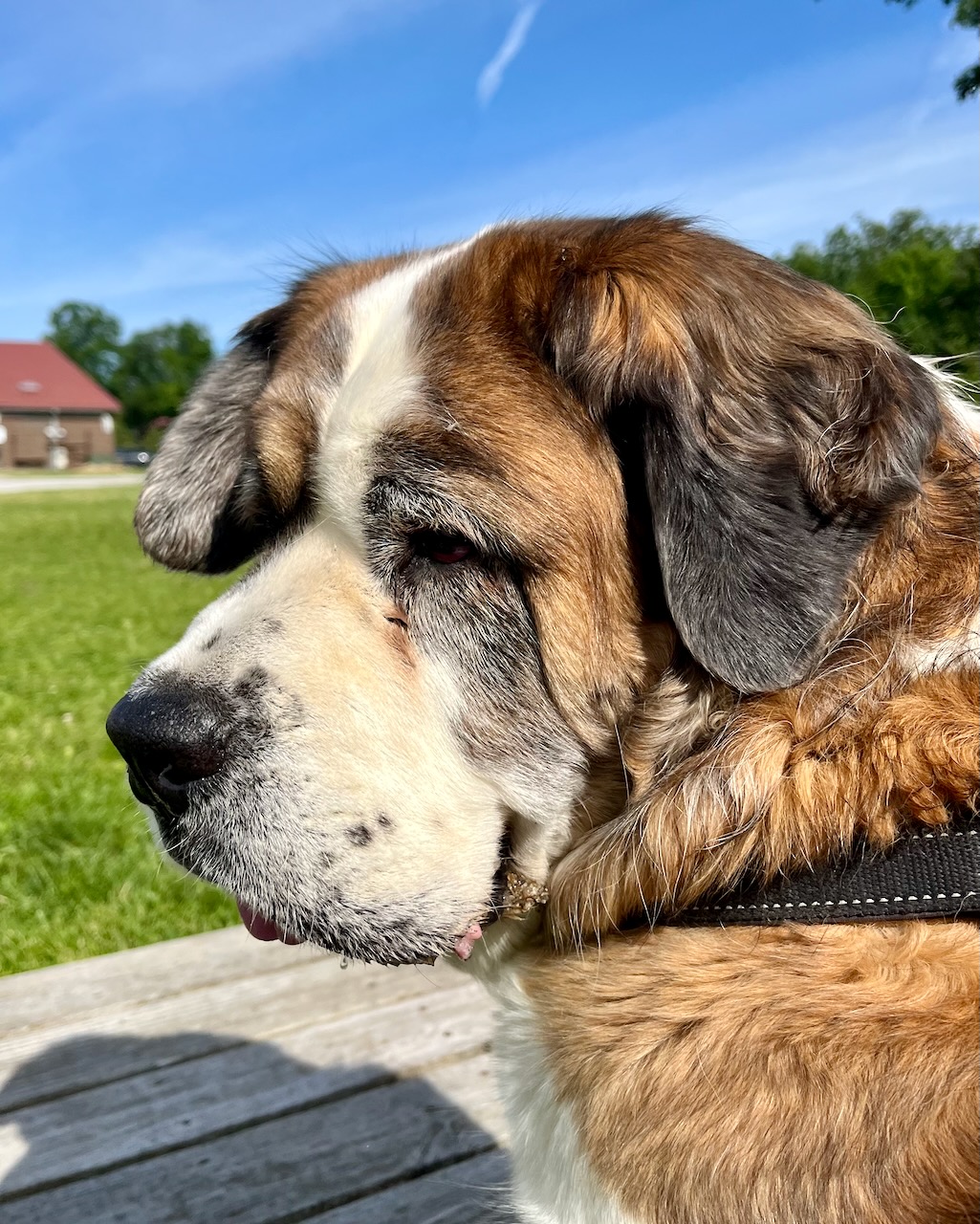
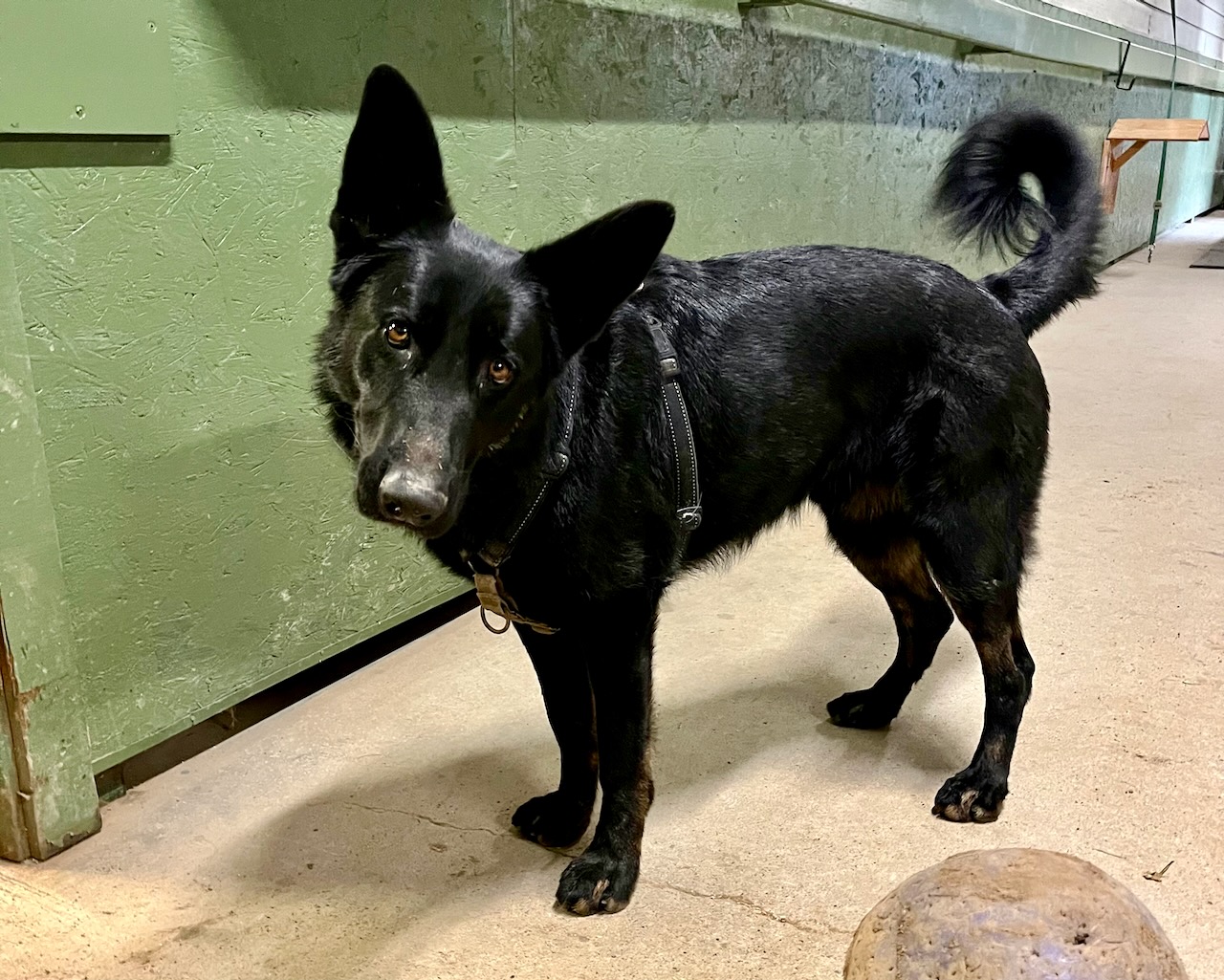
Bernadette, left, and Jack both dealt with pain of various sorts and not only benefited from Reiki but taught me a great deal as well. Being leaned or sat on by a St. Bernard, especially in the sunshine, is a great reminder about staying present on the animal’s terms. Jack would let me throw the ball (even though I throw badly) several times before he stopped for a meditation session.

They’re on my mind more lately because two years ago this month, they died in a plane crash with their beloved humans, Allison Wheaton and Randy Strebig. May their memory be a blessing, and may we all continue to learn about healing. 

(Photos by Nancy Crowe)

Backing up animal communication with action

I called the vet clinic as soon as I noticed the missing shamrock leaves, and teeth marks in a few more. There was no question as to which of our two cats was responsible: Dusty, an 8-year-old calico with a history of ingesting things like fake Christmas tree needles.

Bring her in, they said.

Shamrocks are not as toxic to cats as other plants are, such as those in the lily family. Dusty still had to spend 24 hours at the vet clinic getting IV fluids and having her blood checked regularly to avert kidney damage.

I communicated with her several times from home, letting her know that she was safe and cared for and would be home soon. That she is loved no matter what. Trying my best to do so calmly, I also pictured the direct connections between her eating the shamrock leaves, my partner and me being upset and whisking her off to the clinic and her being there overnight with a tube in her leg. We also shared distant Let Animals Lead® meditations to help optimize Dusty’s treatment and keep us both calm.

The shamrock plant went into a closed room while I decided on best pet-plant safety practices.

Thankfully, Dusty came through the experience unharmed and we were able to bring her home the next day. Not an hour later, I saw her jump up on the table in my home office where the shamrock had been.

Clearly, this was going to be a process.

Dusty didn’t care for the shaved IV site on her right front leg.

Clear communication about expectations and consequences is important with any species. But for everyone’s safety and peace of mind, we often have to back communication up with action. (It’s like telling your kids the liquor cabinet is off limits, but also locking it … especially if there have been previous violations.)

My smaller plants now live in a reptile habitat, and I moved a large croton off the floor to be less tempting. All plants in the house are surrounded by bits of sticky tape and sprayed weekly with Bitter Yuck. I also keep a kitty scratching pad and toys in my office for enrichment and diversion from the plants.

For harmony of animal and plant life, and to avert horrible outcomes, I recommend these steps. All of them.

  1. Know what’s toxic before planting it in your garden, adding it to the pasture, or bringing it into your home. The ASPCA maintains a list of plants known to be toxic and non-toxic to dogs, cats, and horses, but advises that ingesting any plant material can cause vomiting and gastrointestinal problems.
  2. Know your animal companion, his curiosity level and interest in plants or other unauthorized objects. For example, if your dog is a shoe guy and has never looked twice at your flowers, you may have less worry than if his tastes are more universal (i.e., gets into everything).
  3. Be clear with your animal about what will happen if they chew on or eat plants. “If you eat this, you’re going to feel very dizzy, your tummy will hurt really bad, and I’ll have to rush you to the vet. I’d be so upset and frightened if that happened.” Picture all of this as you speak. “So find something better to do.” Then picture him calmly walking away from the plant and picking up a favorite toy, going to look out the window, or coming to you to be petted.
  4. Keep plants and pets apart. These, short of barbed wire, are my current methods.
Plants behind glass with bits of sticky tape for good measure … because that’s how we roll now.

Bottom line: If you know or suspect your animal may have ingested something poisonous, contact your veterinarian, emergency vet clinic, or the ASPCA Animal Poison Control Center, (888) 426-4435.