


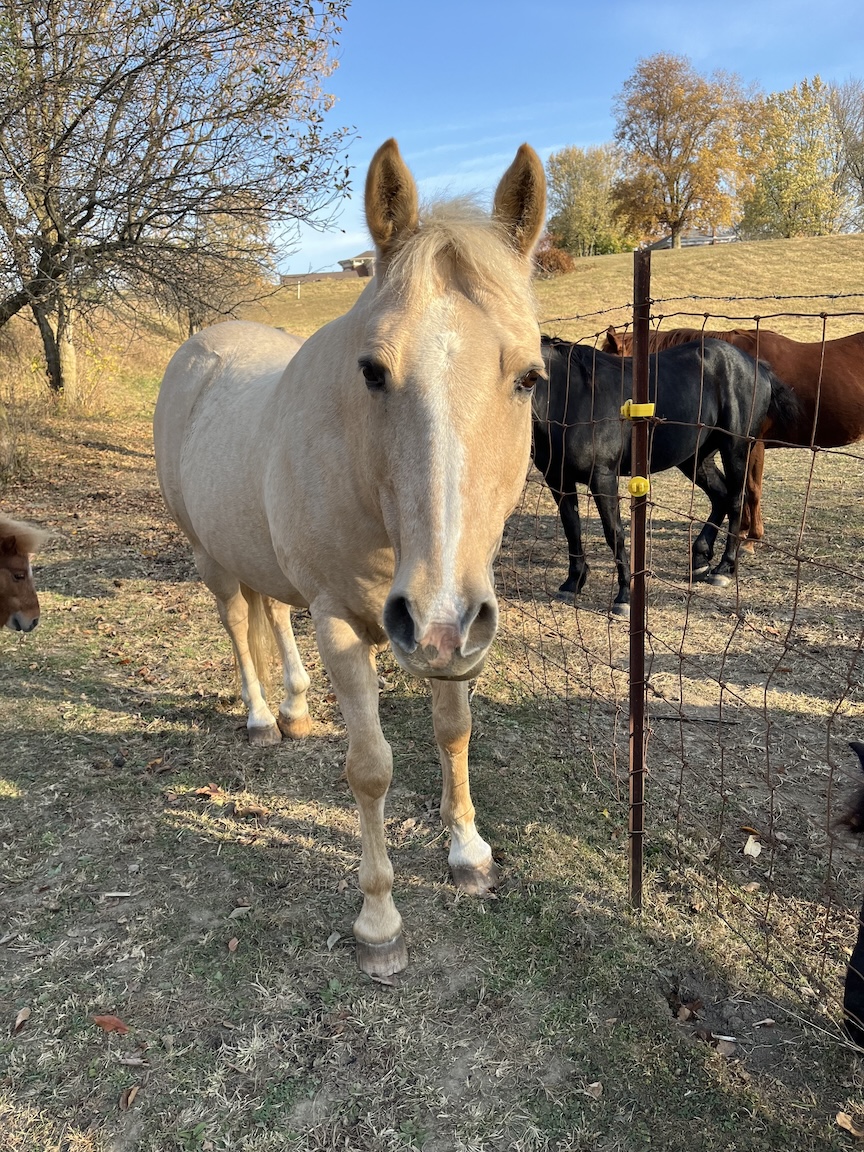
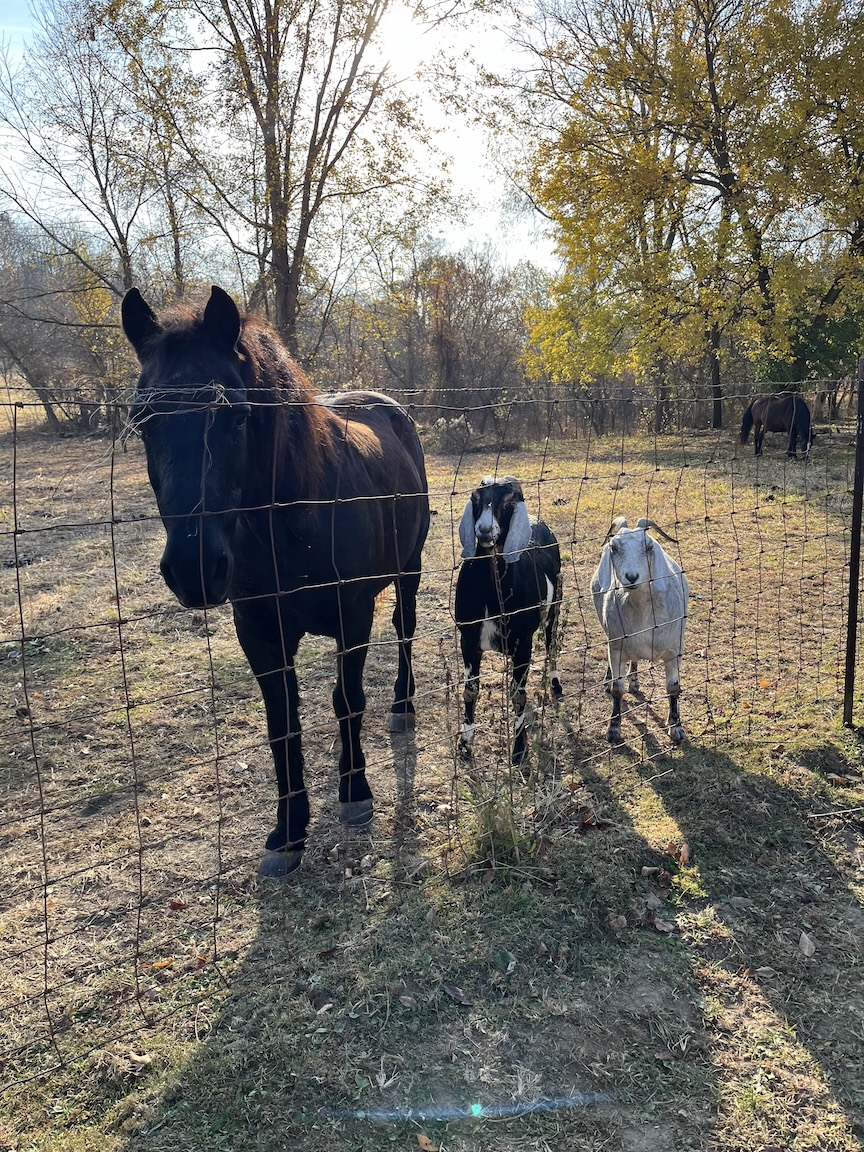
The crew above liked the Tibetan singing bowl recording I played. Other creatures have been partial to Gregorian chant. If animals depend on their hearing for survival, music appreciation (even preferences) shouldn’t be surprising.
Another example: My father-in-law’s care home had an aviary in the lobby. It was just off the dining room, which was also the site of guitar sing-alongs, concerts and music therapy sessions. After a while I noticed how the finches, mourning doves and other birds responded to the sounds that came through the door. Sometimes they seemed unaffected, flitting and chattering as they had before the program started.
During a selection of piano classics, I walked by to find them all perched, cocking their heads now and then. The human audience, whether transported to another time and place or enjoying the present moment, seemed equally content.
Science has demonstrated the effects of music on the brain, and music therapy is part of many human health and wellness settings. Your grandmother might not remember your name, but she might recognize the melody of a Nat King Cole song, especially if she and Grandpa danced to it.
You can find videos and stories of grieving whales soothed by violins and dogs chilling in their kennels as a cellist performs in the shelter. Even though you’re not there, by watching the animals you can feel how the sound fills and alters the space.
But I don’t think the benefits end with the last note. There is something about music that keeps healing even in the silence, even amid the noise in the world. It might even replace the noise in our heads.
And how many of us have had songs stuck in our heads? More on that in a moment.
A while back I loaded Chant, the popular 1994 album by the Benedictine Monks of Santo Domingo, from the CD cabinet into my iTunes. Gregorian chant is prayer sung in Latin, generally without accompaniment. Its development is attributed to Pope Gregory the Great during medieval times, but there is some scholarly uncertainty about that. Regardless, to listen to it is to step into the eternal. You don’t have to know a word of Latin to understand each chant is about God’s presence in any circumstance.
I began to include the chants in my Let Animals Lead® practice, a form of animal Reiki based in meditation. Sometimes I have the music playing softly from my stereo or the phone in my pocket. My favorite is Puer Natus in Bethlehem; take two minutes and check out this lovely video version.
My Let Animals Lead® teacher, Kathleen Prasad, says chanting (of whatever spiritual stripe) unites breath with sound in a way that calms and heals. Where fear and sadness constrict, chanting expands.
“The more expansive you become, the more easily you can feel emotions without being knocked over by them,” she says in her Animal Reiki Source blog. Animals will feel this expansiveness and want to share your strong, balanced space, she continues.

On rounds at a farm, I sat down in the shade, pulled up iTunes on my phone and clicked on one of the chants — I believe it was Kyrie Fons Bonitatis (Lord, fountain of mercy). Mildred, a goat who has seen a lot of living, had been lounging on the grass nearby. Now her head swiveled around, ears alert. It wasn’t her “What is that infernal noise?” look (I knew that one). Mildred recognized what she was hearing. She listened with me as we shared a Let Animals Lead® Reiki session. Soon she closed her eyes and lifted her face to the sun.
I wondered if, in her storied life, Mildred ever spent time in the pasture of a Benedictine monastery. Or, on this day, did she simply tune into a sound and energy connecting her to her creator? The particulars didn’t seem to matter much to Mildred. All I got from her was that she liked hearing it again and it made an already beautiful day — moment, really — even better.
Even though I wasn’t doing the chanting myself, allowing that expansiveness to move from God through the monks through me and Mildred was truly a gift.
I can’t carry a tune in a bucket or any other receptacle. So when I don’t have the actual music playing, I try to carry the energy of the music with me. You could say I keep it “stuck” in my head and heart to share with the animals, however it may benefit them the most.
Think about this … and feel free to share:
- If you leave a radio on for your animal friends when you leave the house, what music do you choose?
- If you sing or play an instrument, how do they respond?
- How does having a song (or chant, or other music) stuck in your head make you feel and respond to others?
 All Creatures