Three ways to love your pet and our world

child-1867463_1920

Image by Pexels from Pixabay

Sometimes it feels like the problems faced by the animals of this world, and the environment we all live in, are so huge and so far gone that there is nothing we ordinary individuals can do.

You may have just seen a news report or social media post about a disaster, environmental policy reversal, cruelty case or fearful prediction that made your heart sink.

Consider this, though: If you have adopted an animal, you’ve already exercised the power to save lives and alleviate suffering. Like the young man throwing one beached starfish after another back into the ocean after a storm, we each save the world by doing what we have the power to do.

The practice of Reiki helps me do that by first getting out of the muck of fear and into a place of peace and balance. Only then can I hear God’s still, small voice. Then I can discern and do something useful, whether it’s a Reiki session with a rescued horse or a small change in the way I care for my own animals.

In the interest of ditching the defeatist crap in favor of practical solutions that add up, here are a few ideas. (I receive no compensation from any business mentioned; these recommendations come free and clear.)

1. Be wise about waste

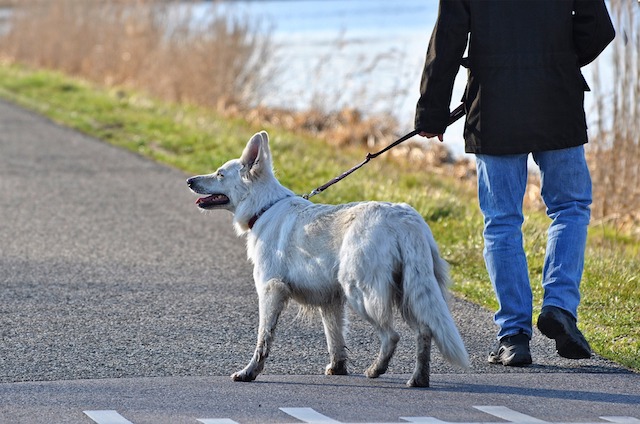
Speaking of crap, pick up after your dog. Yes, you. Yes, really. Earth Rated makes biodegradable poop bags you can easily take on walks. They come in all sizes, some lavender scented. You can even get them in a little dispenser that clips to the leash. It preserves neighborly goodwill, saves shoes, and helps keep contaminants out of our water.

For cats, I recommend disposable, biodegradable Nature’s Miracle litter boxes. (Avoid the cheap imitations if you don’t want a peepocalypse.) You can use the biodegradable bags for the daily scoop, put the whole box in a biodegradable kitchen bag after four to six weeks, and put it in the trash. It uses less litter, avoids plastic litter boxes and liners, and you don’t have to scrub or disinfect.

There are many litter choices on the market beyond the clay or clumping varieties. Recycled newspaper, pine shavings, sawdust, and wheat are some of the options branded as earth-friendly, but I found no independent reviews or studies on this. Since both veterinarians and cats have preferences regarding cat litter, ask your vet before you switch. Then gradually mix in the old with the new. Be prepared to switch back if the new is not to Her/His Majesty’s liking. Litter box boycotts are not environmentally friendly.

By the way, I’ve found Bac-Out to be a good, nontoxic choice for removing pet stains and odors.

2. Play well, play fair

As the lottery commercials say, please play responsibly. A pet toy may not seem to have much impact on the environment, but ethical sourcing and sustainable materials make a difference. Durability makes a difference too; it’s frustrating to find the perfect toy, only to have your little darling destroy it in an hour.

Cheap plastic impulse buys happen to the best of us. However, shops such as Green Doggoods here in Fort Wayne, Indiana sell quality, eco-friendly pet toys. (Green Dog also carries the aforementioned poop bags.) Without much extra effort, you can make more eco-friendly choices, support a local business, and give your beloved animal the best.

Also remember that for cats, nothing beats a cardboard box or a randomly tossed paper wad. Both are recyclable.

3. “Put away the chocolate” notes and other memory tricks

Chocolate is a delight to us, but toxic to our four-legged friends. So any chocolate you receive for Valentine’s Day or any other occasion needs to be kept out of their reach.

It’s easy to forget to do this. When our attention is in several places at once, it’s easy to leave a box of chocolates out. Or not notice that somebody has slipped out the door, a gate was left open, or a water bowl is empty.

Again, small efforts can yield big returns. We can get in the habit of entering and exiting carefully and making sure the gate latches. We can put a “Return to cupboard” note on or inside the the chocolate box. (The little cheat sheet that tells us which truffle is which would be a good place.) We can put reminders to check the water bowl on our phones.

Being more aware of what we’re doing is better for our and our animals’ overall well-being. And in one of those “we are all connected” philosophies we might find tiresome but true, that can’t help but make for a better world.

Do you hear what I hear?

As a city child connecting with nature, animals, and the bigger picture of Christmas, “Do You Hear What I Hear?” became a favorite. The story behind the song, which I learned only recently, deepens its meaning for me.

But first, the story in the song: The night wind speaks to a little lamb of a brilliant star. The lamb tells a shepherd boy of music high above the trees. The shepherd boy tells a king about a child shivering in the cold of a humble stable and worthy of riches. The king tells the people this child is the bearer of goodness and light … and exhorts all to pray for peace.

Each being tells another about what they see, hear, and know. They’re all experiencing a different aspect of what is happening. None of them are wrong.

“Do You Hear What I Hear?” was written during the Cuban Missile Crisis by an American husband-and-wife team. According to this Franciscan Media account, French-born lyricist Noel Regney endured horrible trauma during World War II after being drafted to fight for the Nazis. The threat of catastrophic war in 1962 brought it all back as he faced the task of writing a Christmas song for a record producer.

Then Regney saw two babies in strollers smile at each other on a New York street. Their innocence reminded him of lambs … and there was the beginning of the song. At home, he wrote down the lyrics and asked his then-wife, pianist and composer Gloria Shayne, to write the music. Neither could get through the song without crying, Shayne recalled later.

That was the light they found and shared during during a dark time. We can share our light, too — through a smile, a prayer, a gentle pet, an ear scratch, a bag of food to an animal shelter or rescue. It doesn’t matter how small, stupid, or pointless we might think it is. That bag of food might help a lonely veteran keep his dog. Your smile at the woman at the grocery store may be the only kindness she experiences that day. That prayer may turn on a light for you.

“Pray for peace, people everywhere,” indeed.

Bing Crosby’s 1963 rendition of “Do You Hear What I Hear?” is probably the best known. I grew up with the Andy Williams version from the 1966 Great Songs of Christmas album. For this tribute to the animals I’ve worked with this year in my animal communication and animal Reiki practice — and their wonderful people — I chose Mannheim Steamroller’s instrumental version.

Just like the little lamb, the animals of our time tell brilliant stories of hope. I’ve heard a cat’s deep love for her person as she is ready to cross, a draft horse’s amazement at being able to choose, a deaf and blind duck giving life a chance, and more. For each one, I am grateful.

(Photo by Allison Wheaton)

When we listen to everyone but the donkey

Field geologist and college professor Margaret Winslow tried to do all the right things after answering a for-sale ad for a donkey. She read the books and the magazines and found a donkey trainer. It took years of near-fruitless efforts and a couple of horrific experiences before Winslow figured out how to listen to Caleb, the large white donkey — and herself.

smart-ass-bordered_09211139The journey she describes in Smart Ass: How a Donkey Challenged Me to Accept His True Nature & Rediscover My Own (New World Library, 2018) is both engaging and frustrating. Overall, it underscores what I know about presence and connection with animals. However, there are a few points at which I wondered what on earth the author was thinking.

This is where I admit up front that while I work with equines as an animal communicator and animal Reiki practitioner, I’m not a rider or owner. My only donkey experience is with two at Summit Equestrian Center: Rosie (former resident), a mini donkey who is probably part border collie; and Diego, a quiet soul who came from southern Arizona by way of the Bureau of Land Management.

I appreciate Winslow’s love, humor, and persistence and can identify with so many of her ups and downs. We don’t know what we don’t know about the particularities of donkey training or whatever else. Animals are our teachers, but like the best teachers, they’re learning too.

Winslow’s near-constant frustration at work is often weighing on her as she arrives at Caleb’s barn and begins grooming him. He feels it and mirrors it, though it takes a while for her to understand this. I, too, have to consistently practice being fully present with whatever animal I’m working with in the moment. This is especially true with horses and donkeys.

Early in the book, Winslow asks herself: “When had I become such a conciliatory, conflict-averse wimp of a college professor who shrank from controversy?” Sadly, the behavior she tolerates from Caleb’s trainers is the best example.

The husband and wife, with their adult daughter, are the only donkey trainers within a day’s drive. They may legitimately know their stuff, and glimmers of insight and kindheartedness surface. But when they drink on the job and ridicule clients, it’s hard to imagine a better choice couldn’t have been made. Winslow just keeps going back for more.

She does eventually board Caleb closer to home, where working with the stable owner yields slightly better results. Lessons with a specialized trainer fail when the trainer beats Caleb. To her credit, Winslow grabs the stick away and yells at the trainer to stop.

The donkey trainers come back into play when, after a horrible injury, Winslow is ready to have them sell him. Or to board him there permanently — even though she believes the daughter capable of shooting Caleb in anger or having him put down without telling her.

At this point, Caleb could have been shuttled from one ill-prepared owner to another or consigned to a kill pen. The story could have ended with Winslow investing tons of money, time, and energy only to miss an authentic connection with Caleb.

Fortunately, Caleb’s truth-to-power influence sneaks up on Winslow during a tiresome faculty meeting. She surprises herself by speaking up for the students and the love of learning, even though she recognizes the consequences may be negative.

Then, in the donkey trainer’s ring, she looks the perpetually angry daughter in the eye and says, “No.”

That day, Winslow and Caleb ride not into the sunset but into a new understanding. The human realizes the power of her heretofore negative expectations of the donkey’s behavior, and the donkey recognizes that the human trusts him and has his back.

Here Winslow wisely relates the story of Balaam’s donkey (Numbers 22:21-38), who spoke to her owner. It wasn’t just because the donkey was being mistreated by him, but because she could see and hear the angel and he could not.

It’s worth our time and effort to listen to the donkey. We might learn something about ourselves, too.