
Talk with your dog before a walk

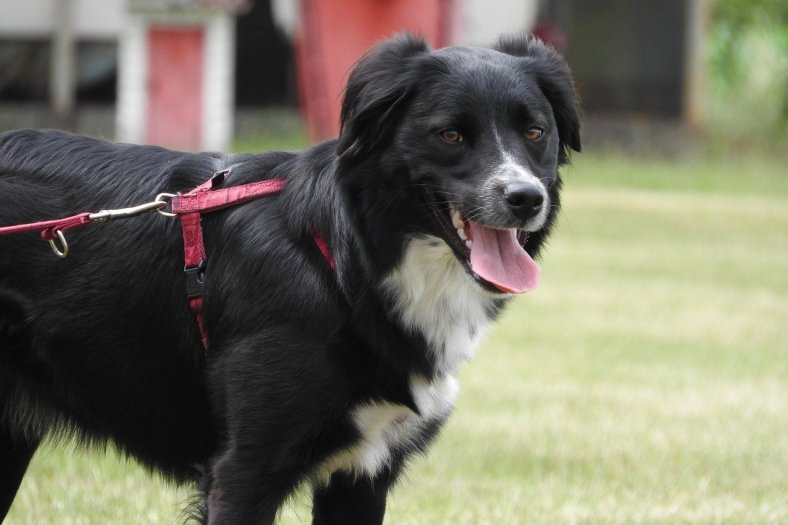
Happy dog going for a walk
Communicate with your dog about the behavior you want on walks. (Image by MAKY_OREL from Pixabay)

Dog walks and dog park visits get more frequent and fun in spring, and now we are getting out with fewer COVID restrictions. Yet frustration still seems to flare up everywhere, including over dog (and owner) behavior in public spaces. 

Here are a few ways you can get the season — and each walk — off on the right foot with some simple animal communication techniques.

Before you grab the leash or even spell the W word, calmly sit or stand with your dog. In your mind, picture what the two of you are going to do — putting on the leash/halter, going to the dog park, walking down the sidewalk in your neighborhood — and how you expect her to behave. 

You can tell her in words, too, but say and picture what you DO want (keeping her attention on you, for example) instead of any behavior you don’t want. You’d be surprised at how readily all of this can be understood by an animal … especially if it’s consistent. 

Keep checking in with your dog during your walk or dog park visit, holding these same images of what you DO want in mind as you enjoy your time together outdoors. Keep your phone in your pocket unless there’s an urgent reason not to. This outing may be a tiny or obligatory part of your day, but it means the world to your dog. 

To keep yourself, your dog, and others safe, check out these good-citizen tips. You probably know the basics: Carry bags and pick up your dog’s poop. Keep him leashed and close to you (with a trainer-approved leash, not a retractable one). Prevent him from injuring himself, other animals, or people. 

If you do experience problems, even and especially if someone else brings them to your attention, please don’t hesitate to work with a trainer. There’s no shame or judgment, only a desire to improve the quality of life for your dog, you, and anyone you may encounter. A good trainer can help you work wonders, especially if you get a referral from someone you trust. It’s really never too late, in your dog’s life or yours, to develop better habits. 

I’m happy to help, too! Both Reiki and animal communication can be very useful in resolving behavioral issues, easing transitions, and giving animals and their people a “reset” during stressful times.

Letting animals choose lets them be their best

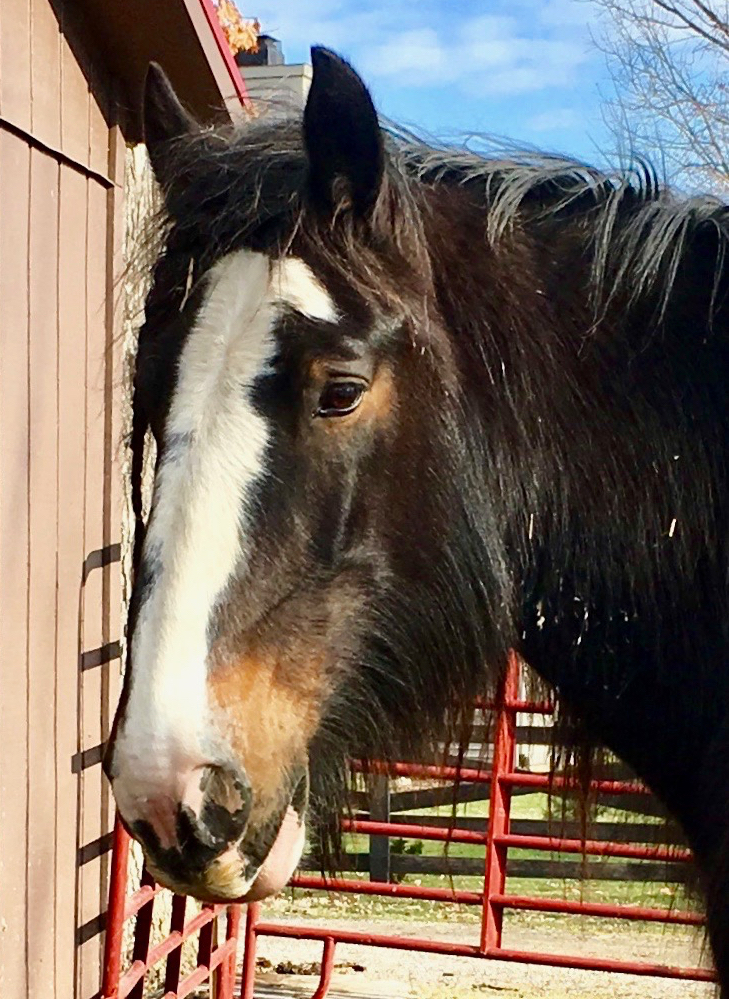
Draft horse after Let Animals Lead Reiki session
(Photo by Nancy Crowe)

The massive draft horse was one of the saddest, checked-out animals I have met. He’d spent years on at least one Amish farm, was isolated and probably abused, and had given up. His new owner, the director of a nonprofit equine therapy center, wanted to find out what he needed.

The first thing I did was ask if it was OK to communicate with him. Surprised but skeptical, he agreed. The notion that he could choose anything was foreign to him.

Within a week or so, he told me what he wished to be called: Duke.

When I offered to share Reiki with Duke, I made it clear that opting out was absolutely fine. As we worked together during those first months, sometimes it was a yes and sometimes a no. How long the session lasted was also up to him.

That is the core of the Let Animals Lead method I practice. It’s all meditation and no hands unless the animal initiates contact, or the practitioner knows the animal well enough to gauge whether that would be welcome.

One day Duke decided he’d had enough Reiki and walked back into the barn. I thanked him and moved on to a pig a few feet away.

A few minutes later, Duke stuck his big head out the barn door and looked straight at me. “Got any more of that?” I heard.

I assured him I did, but he’d have to wait until the pig and I were done. When I returned, he was waiting at the fence. I met his eyes and saw hope.

His owner, veterinarians, equine bodyworkers, clients, and I all worked to help Duke heal from the effects of his past, giving him choices whenever possible. He still struggles mightily with triggers. But he has friends in the herd. He connects with veterans who also live with PTSD. He even let kids dress him up for the Fourth of July. Being a therapy horse would have been unthinkable for Duke not so long ago.

While we can’t let our animals choose to play in traffic or opt out of a vet visit, there are many other options we can offer. We can give them a choice of toys, blankets, or litter boxes. We can hold out two different treats and see which gets gobbled up first. We can let cats come to us rather than chasing or picking them up. We can suggest a walk or ride and pay attention to the dog’s body language for a “let’s go” or a “not today.”

Choice frees us all to engage honestly, be our best selves, and create our “better than before.”

Up against a wall with your animal?

Image by sianbuckler from Pixabay

“I get it. But I don’t like it.”

As an animal communicator, I occasionally hear or sense this from our four-legged and other friends.

Usually it’s because their human has asked me to help them understand an upcoming move, addition to the family, or other change. Or maybe he or she has hired me to help sort out a behavioral issue.

The animal understands the situation. He may understand what the human wants. But you’re not seeing the change you hoped for.

“I get it. But I don’t like it.”

So the animal keeps nipping, scorning the litter box, or refusing to load. The problem continues after the vet visit, the session with me, your efforts to help, or all of the above. What on earth can you do?

First of all, understand that I can make your wishes known to your animal, but there is no guarantee she will comply. Compliance isn’t the point anyway.

So back to the “what can you do” part:

Let it be. You want to do something — anything — to resolve this problem yesterday, but remember you’ve already planted the seeds for something better.

Some situations resolve themselves in ways understood only by the animal. The cat decides the new baby isn’t a hairless monster. The horse loads when another person tries. The dog feels better and eats the special diet more readily.

You may choose to do something else tomorrow. Today, let go and see what happens. The animal will feel the change in your energy.

Give the animal a choice. Offer an additional litter box. Try getting the donkey onto the trailer tomorrow rather than force him today. If your dog doesn’t want to be around your boyfriend, let her stay where she feels safe.

Letting the animal choose boosts her confidence in herself and in you. That can only improve your relationship and the situation.

Savor (and reward) the small victories. The new cat and the current cat come within three feet of each other without hissing. The dog stops barking the first time he’s asked. This is great! Pony up (so to speak) with praise, a treat, or a play session

Ask for more help. Your animal may be telling you she needs (if you’ll pardon a tired old job rejection phrase) to move in a different direction. If you are still struggling, I will do my best to refer you to a trainer, organization, business, veterinarian, another practitioner or communicator, or someone else through trusted sources. Or you can ask a trusted friend for referrals. It does take a village.

Similarly, don’t hesitate to (diplomatically) let your veterinarian know that you need some other ideas. He or she is on your side, and on your animal’s side.

Also remember every state has veterinary schools — Purdue, here in Indiana — whose mission it is to help people help animals.

There are ways to bridge the gap between understanding and integrating. As with us humans, it may take patience, creativity, and additional support.