Talk with your dog before a walk

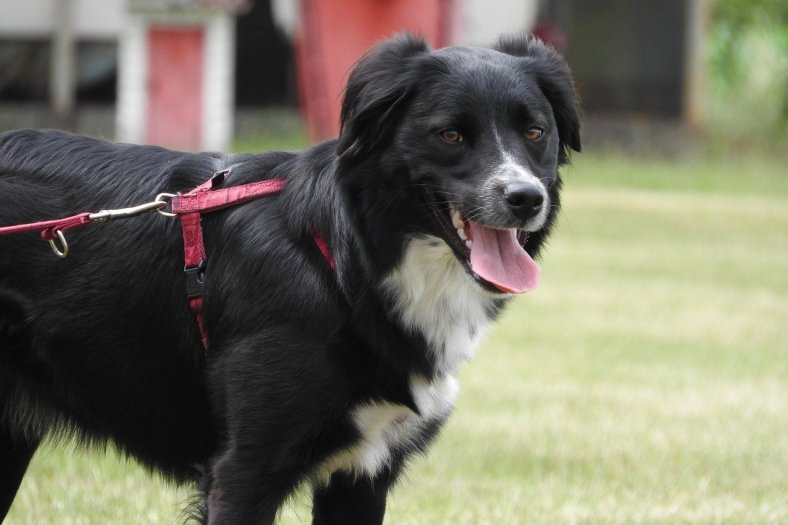
Happy dog going for a walk
Communicate with your dog about the behavior you want on walks. (Image by MAKY_OREL from Pixabay)

Dog walks and dog park visits get more frequent and fun in spring, and now we are getting out with fewer COVID restrictions. Yet frustration still seems to flare up everywhere, including over dog (and owner) behavior in public spaces. 

Here are a few ways you can get the season — and each walk — off on the right foot with some simple animal communication techniques.

Before you grab the leash or even spell the W word, calmly sit or stand with your dog. In your mind, picture what the two of you are going to do — putting on the leash/halter, going to the dog park, walking down the sidewalk in your neighborhood — and how you expect her to behave. 

You can tell her in words, too, but say and picture what you DO want (keeping her attention on you, for example) instead of any behavior you don’t want. You’d be surprised at how readily all of this can be understood by an animal … especially if it’s consistent. 

Keep checking in with your dog during your walk or dog park visit, holding these same images of what you DO want in mind as you enjoy your time together outdoors. Keep your phone in your pocket unless there’s an urgent reason not to. This outing may be a tiny or obligatory part of your day, but it means the world to your dog. 

To keep yourself, your dog, and others safe, check out these good-citizen tips. You probably know the basics: Carry bags and pick up your dog’s poop. Keep him leashed and close to you (with a trainer-approved leash, not a retractable one). Prevent him from injuring himself, other animals, or people. 

If you do experience problems, even and especially if someone else brings them to your attention, please don’t hesitate to work with a trainer. There’s no shame or judgment, only a desire to improve the quality of life for your dog, you, and anyone you may encounter. A good trainer can help you work wonders, especially if you get a referral from someone you trust. It’s really never too late, in your dog’s life or yours, to develop better habits. 

I’m happy to help, too! Both Reiki and animal communication can be very useful in resolving behavioral issues, easing transitions, and giving animals and their people a “reset” during stressful times.

Ready to adopt again?

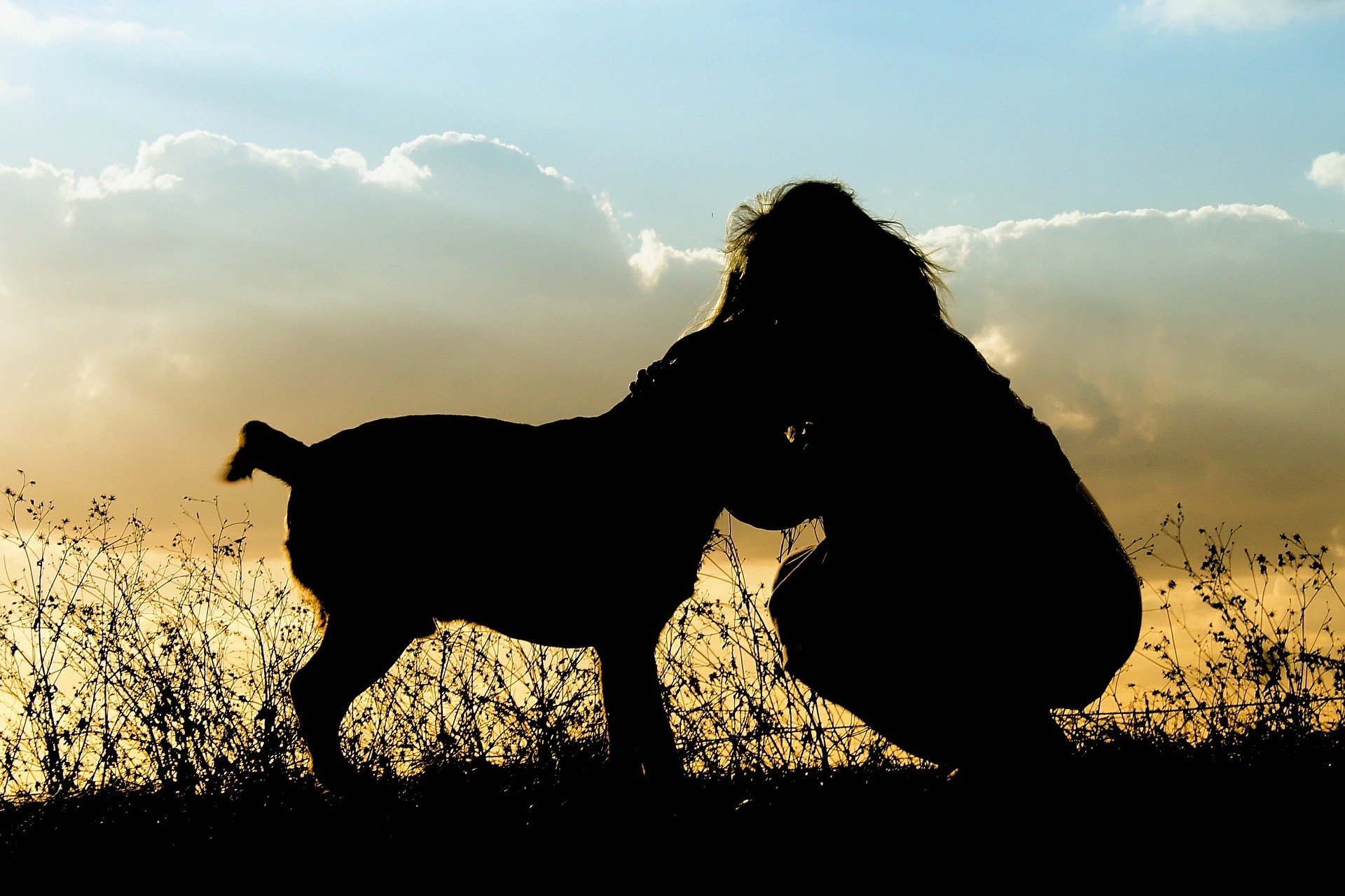
dog & person silhouette Image by Barbara Jackson from Pixabay

Image by Barbara Jackson from Pixabay

As an animal communicator, I walk with people and their animal friends through a lot of endings and beginnings.

The pain of loss is real and raw. It deserves respect. At the same time, you are here on earth with much love to give. Plenty of animals need loving homes.

Only you know whether and when to welcome another animal into your home, but here is my perspective along with a couple of things to consider.

Eight years ago this month, I lost my much-loved Idgie, the sweet diva of a tiger cat who inspired my first forays into animal communication and Reiki. Idgie had been sick, and she and I had been saying our see-you-laters for months. Deep down, I knew other feline friends would succeed her. At some point.

Idgie in cat bed 2007 crop

Idgie, 1996-2012

When I came home from the vet clinic and faced an Idgie-less, cat-less house, the pain hit me like the proverbial ton of bricks. It was all I could do to survive in the moment, much less think about the future.

Not long afterward, I read about a horrific animal cruelty case in which fireworks were tied to a kitten’s tail. Something opened up within me, and I realized how much I wanted to give another kitty a home. And Idgie had trained me so well.

One afternoon, I sat on my back porch and took a few deep breaths. My partner and I planned to visit the city shelter the next day. It was only six weeks after Idgie’s passing — was it too soon?

I connected with Idgie in spirit and asked her to guide us to our next feline companion, whenever and wherever it would best happen. What I received was her classic ears-back expression and: “Right. Like I wouldn’t be involved in that decision.”

At the shelter, Kathy and I met several kittens, but none seemed especially interested in us. Then the volunteer brought out one who was about to go to a satellite adoption center. The four-month-old black tortie prowled around the adoption counselor’s office, trying to figure out where she was and why. Then she came and sniffed both of us, accepting the gentle pets we offered.

2012 Lucy on my desk chair crop

This is Lucy not long after we adopted her.

When I sensed the kitten was open to it, I gingerly picked her up. I commented on her distinctive coloring, notably the gold streak between her eyes that seemed to stop and resume on top of her head.

“Doesn’t it look like God came along with a paintbrush?” the volunteer said.

I held the kitten so that we were eye to eye. She reached out with one tiny black paw and patted my face.

We’d been chosen.

Did the joy of welcoming Lucy erase the hurt of losing Idgie? No. I still felt like crying every time I saw a tiger cat or a picture of one that reminded me of her. Lucy succeeded Idgie, but did not replace her. One being cannot truly replace another, and there’s no sidestepping grief if we are to love fully. While I continued to grieve for Idgie, my heart filled with gratitude for the love she had given me. That love enabled me to recognize the connection with Lucy, who needed a home as Idgie had.

The only thing I can imagine that’s worse than losing a pet is never having had that animal in my life. 

If you are struggling, or just wondering, here’s what I suggest:

  • Pay attention to your intuition. It’s hard to do this when you are in pain. But if you can, get quiet and ask yourself if it’s time to visit the animal shelter — or contact a rescue if you’re interested in a particular breed or type of animal. If you feel a lightness or sense of excitement and joy, that indicates a yes! If there’s a heavy, sad sensation, you might want to wait.
  • Adopt from a place of abundance, not lack. Another animal cannot truly replace the one you lost, or take away your pain. The last thing you want is to impose expectations on a new pet that are not about him or her at all. Stay with your grief long enough — however long that is — for your heart to open to a new and totally unique animal companion.
  • Remember the animal chooses, too. (Some animals would say they do all the choosing, but you get the idea.) My experience is that each dog, cat, bird, horse, human, or whoever comes into our lives for a reason. The animals probably have a better grasp of it than we do. When you meet a prospective new companion, pay attention to the way they respond and how you feel.

Whenever you and your next animal companion find each other, you are both signing on for a beautiful, painful, and totally worthwhile adventure. You both deserve no less.



How an animal communication session works

small white dog on blue and white chair
(Photo by Dominic Buccilli from Pexels)

As an animal communicator, I help animals of all species and their people solve problems and improve relationships. But the animals don’t come to my office, sit on a sofa, and tell me what’s bothering them. They can talk to me from their own homes — no Zoom, WiFi, or appointments needed.

That’s possible because communicating with animals uses that “sixth sense” all humans and animals have. It’s how you know your kid is either in trouble or causing trouble. It’s how your dog knows you’re on the way home. It’s that niggling feeling that, despite logical evidence to the contrary, something’s not right. (How often has that proved to be spot-on?)

Except for rounds at nonprofit barns or rescues, when I might be communicating and sharing meditation with many animals, most of my animal communication sessions are remote. I then email the human a summary.  

Here’s more about the process.

The animal, the question, and a prayer

When I begin an animal communication session in my northeast Indiana office, I have the animal’s name, species, age, gender, and usually a photo. The animal himself can be anywhere. I also have one or two questions or concerns the animal’s person wants to address.

But first, I say a brief prayer asking God to help me listen effectively, and relay with accuracy, fairness, and kindness what the animal needs her person to know. I ask St. Francis, patron saint of animals and the environment, to be with us as well.

Then I hold an image of the animal in my mind and gently tune into her energy. Once the animal responds — I generally get a sense of a head raised or ears at attention — I silently introduce or identify myself and ask permission to communicate with her. I say her person has asked me to talk with her about (whatever the issue is) and help if we can.

I’ve never had an animal refuse to communicate, but I have had a few “uh-oh, I’m in trouble, aren’t I?” responses. I assure them this isn’t about being in trouble. It’s about listening and finding a way forward.

I might ask: “So it sounds like you’ve been peeing outside the litter box. Can you tell me more about that?” Or: “You’ve been seeing some things being packed up around the house and your people have been pretty tense lately. (Your person) wants me to tell you more about what’s happening. We also want to know how you’re feeling about it and find out what you need right now.”

Being heard means everything

Then comes the most important part of all: listening with a clear mind and an open heart. Sometimes what the animal has to say will come in words, but more often I get images and emotions. I might get an image of the dog or cat moving away from an angry man inside a house. Or I might see a young girl grooming the horse and sense the horse feeling very relaxed and loved. I take notes in longhand.

I relay anything the person wants me to tell the animal and ask what the animal needs. Almost always, some action steps the person can take emerge. It could be a different location for his litter box or the need for more play time. It may be a visit with a particular person or another animal as her life is drawing to a close. In any case, I assure the animal that I will do my best to help, that his human loves and appreciates him very much, and that he is infinitely loved and cared for by God.

I thank the animal for communicating with me. Then I end the conversation pretty much the same way I’d end a phone call — I say goodbye and disconnect. Then I write up my findings and email them to the animal’s person — always with encouragement to take what resonates and leave the rest. 

If you have questions or would like to arrange a session for your animal friend, please feel free to contact me.